Leading Manufacturer & Exporter of
Slip-On Flanges to Turkey
Werner Flanges stands as Turkey's trusted partner for high-quality slip-on flanges, serving the nation's robust industrial sector for over two decades. As a premier manufacturer and exporter, we supply ASME B16.5 and DIN-compliant slip-on flanges to Turkey's thriving oil and gas, petrochemical, power generation, and manufacturing industries across Istanbul, Ankara, Izmir, Bursa, and Kocaeli.
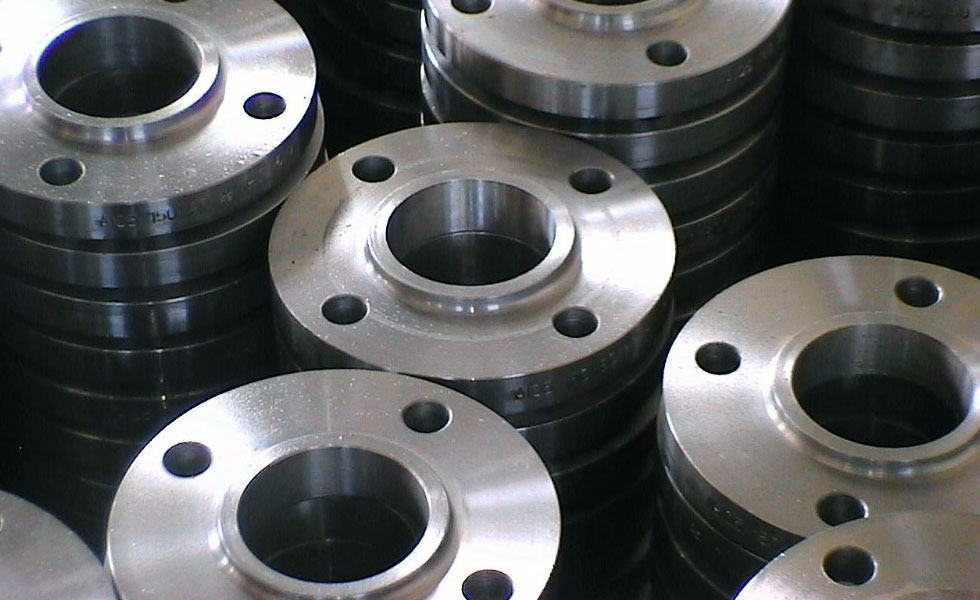
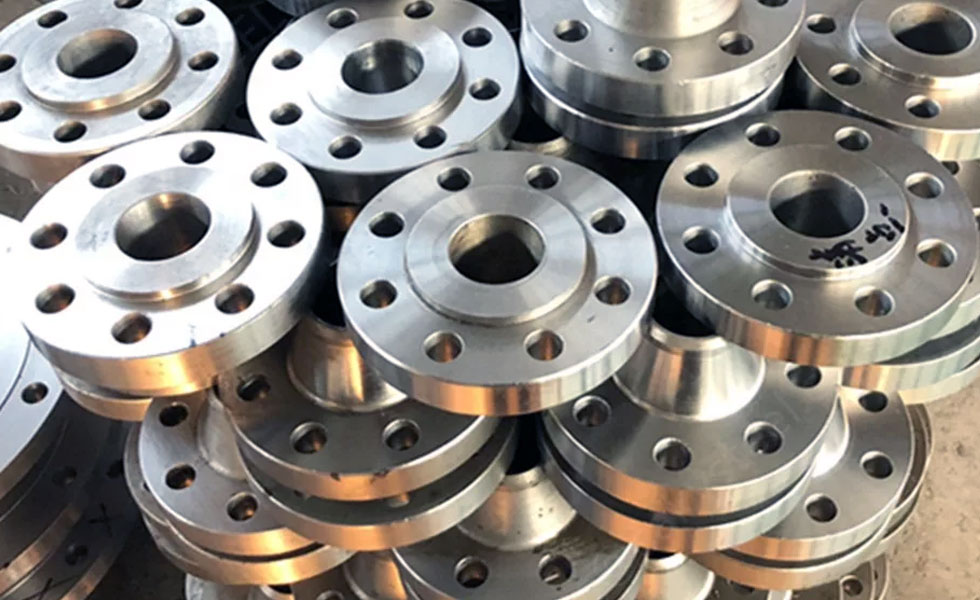
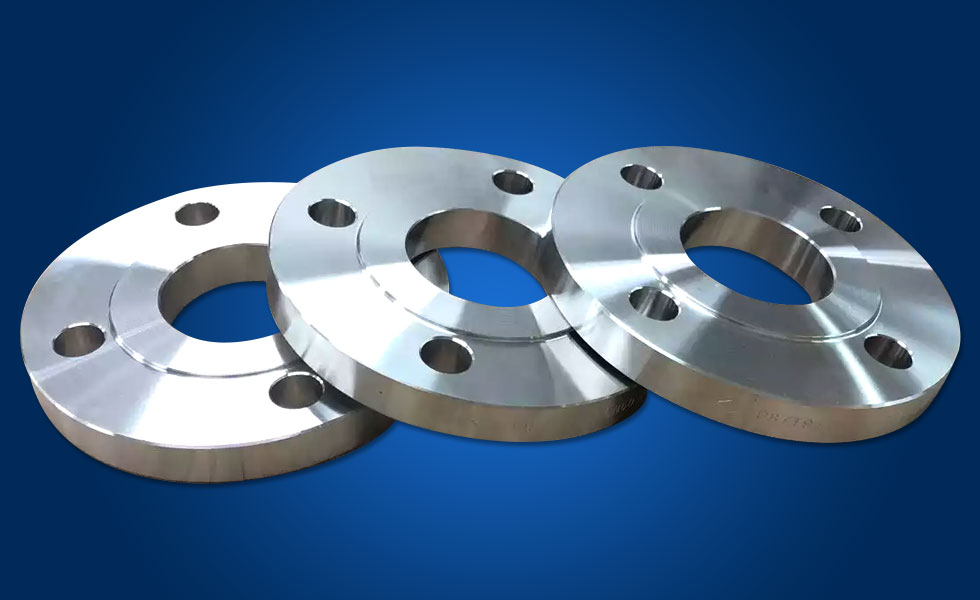
Our slip-on flanges are engineered to meet the demanding requirements of Turkey’s industrial infrastructure, from the Tupras refineries in Izmit to the Star Refinery in Izmir, and the extensive natural gas distribution networks operated by BOTAS. We manufacture slip-on flanges in carbon steel, stainless steel, alloy steel, and duplex materials, available in pressure classes from 150# to 2500# and sizes ranging from 1/2″ to 60″.
Turkey’s strategic position as a bridge between Europe and Asia demands reliable, cost-effective piping solutions. Our slip-on flanges offer easy installation, competitive pricing, and proven performance in applications ranging from Zorlu Energy’s power plants to the chemical processing facilities in Gebze and Aliaga. With complete material traceability, third-party inspection capabilities, and fast delivery through Ambarli Port and Mersin Port, Werner Flanges ensures your projects stay on schedule without compromising quality.
Whether you're working on TANAP pipeline projects, upgrading facilities in the Organized Industrial Zones, or maintaining existing infrastructure across Turkey's industrial heartland, our slip-on flanges deliver the reliability and performance your operations demand. Every flange comes with complete documentation including Material Test Certificates, dimensional inspection reports, and compliance certifications for Turkish and international standards.
Specifications
| Specification | Details |
|---|---|
| Pressure Rating | Class 150 to Class 2500 |
| Flange Type | Plate Flange |
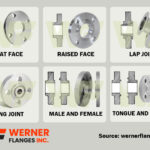
| Facing Type | Raised Face (RF), Flat Face (FF), Ring Type Joint (RTJ) |
| Size Range | ½” to 24” (DN 15 to DN 600) |
| Temperature Range | -29°C to +593°C (Depending on Material & Pressure Class) |
| Applications | Oil & Gas, Petrochemical, Power Generation, Water Treatment, Marine & Industrial Sectors |
| Manufacturing Process | Forged / Machined |
| Certification | EN 10204 3.1 / 3.2, IBR, NACE MR0175 / ISO 15156 (as applicable) |
Matel and Grade
| Type of Materials | Common Specifications / Customization Available on Request |
|---|---|
| Duplex Steel | ASTM/ASME A182 F51, F60, F61, UNS S31803, UNS S32205 |
| Super Duplex Steel | ASTM/ASME A182 F53, F55, UNS S32750, UNS S32760, F44 (6Mo) |
| Stainless Steel | ASTM/ASME A182 F304, F304L, F316, F316L, F310, F317L, F321, F347 |
| Carbon Steel | ASTM A105, A350 LF1, LF2, LF3, A266 Class 1/2, A694 F42 to F70, A765 Gr. II |
| Alloy Steel | ASTM/ASME A182 F1, F5, F9, F11, F12, F22 |
| Non-Ferrous Alloys | Titanium, Brass, Admiralty Brass, Copper Nickel, Nickel Alloys, Hastelloy |
| Titanium | ASTM/ASME B381 Gr.1, Gr.2, Gr.5, Gr.7, Gr.12, Gr.16 |
| Copper Nickel | ASTM B151 UNS C70600 (Cu-Ni 90/10), C71500 (Cu-Ni 70/30) |
| Brass, Al-Brass | ASTM B152 UNS C26000, C27200, C28000; ASTM B111 for Al-Brass |
| Nickel Alloys | ASTM B160, B161, B564 – UNS N02200, N02201, N04400, N08800, N08825, N06600, N06601, N06625, Monel K500 |
| Alloy 20 | ASTM B462 UNS N08020 |
| Hastelloy | ASTM B564 UNS N10276 (Hastelloy C276), N06022 (Hastelloy C22) |
| Cladded Materials | ASTM B898, B265, B424 or custom explosion/clad bonding using dissimilar metals |
| Titanium-Steel, Nickel-Steel, Titanium-Copper, Stainless Steel-Carbon Steel, Bimetallic/Trimetallic Combinations |
Types of Flanges
| Raised Face Slip On Flanges | Flat Face Slip On Flanges | Ring Type Joint Slip On Flanges | Large Diameter Slip On Flanges | Forged Slip On Flanges |
| Plate Slip On Flanges | Hubbed Slip On Flanges | ASME B16.5 Slip On Flanges | ANSI Standard Slip On Flanges | Custom Slip On Flanges |
Industries and Applications We Supply
| Industry | Applications |
|---|---|
Oil & Gas Industry |
|
Petrochemical & Chemical Processing |
|
Power Generation |
|
Water & Wastewater Treatment |
|
Frequently Asked Questions (FAQs)
-
Q1: What is the difference between slip-on flanges and weld neck flanges, and when should I use each in Turkish applications?
-
Slip-on flanges slip over the pipe end and are fillet welded inside and outside, while weld neck flanges have a tapered hub that butt-welds to the pipe.
Slip-On Advantages: Lower cost, easier installation, no beveling required, allows fit-up adjustment.
Weld Neck Advantages: Higher strength, better for high pressure/temperature, superior fatigue resistance.
Use slip-on flanges for Turkish applications with pressures up to 600# class, moderate temperatures, low cyclic loading—such as utility systems, cooling water, low-pressure steam, and general process piping in refineries and chemical plants.
Use weld neck flanges for high-pressure process units (900# and above), high-temperature steam (above 400°C), severe cyclic conditions, and critical applications where flange failure would have serious safety or environmental consequences.For most Turkish industrial applications—municipal water, building HVAC, standard process piping—slip-on flanges provide adequate performance at significant cost savings.
-
Q2: How long does delivery take to major Turkish cities like Istanbul, Ankara, and Izmir?
-
Sea Freight: 18-24 days to Turkish ports (Ambarlı, Mersin, Izmir) from our manufacturing facility, including port clearance and customs processing. Additional 1-3 days for inland transport to industrial zones.
Air Freight: 5-7 days for urgent requirements to Istanbul, Ankara, or Izmir airports.
Expedited Production: Fast-track manufacturing can reduce production to 7-10 days versus standard 14-21 days.
Lead times vary by order size, material availability, and testing requirements. Standard carbon steel flanges in common sizes ship fastest, while special alloys or extensive NDT may require additional time. -
Q3: Can you supply slip-on flanges with Turkish Standards (TSE) certification?
-
Yes, Werner Flanges can provide slip-on flanges compliant with Turkish Standards Institution (TSE) requirements when specified. While ASME B16.5 and ASTM standards are widely accepted in Turkish industrial projects, TSE certification can be coordinated through approved Turkish testing laboratories.
For European-standard projects in Turkey, we also provide PED 2014/68/EU compliance with Module certificates as required.
-
Q4: What material should I choose for seawater applications in Turkish coastal facilities?
-
For Turkish coastal applications—common along Marmara, Aegean, Mediterranean, and Black Sea coasts—material selection is critical for long-term performance.
Best Choice – Super Duplex F53/F55: Ultimate corrosion resistance to chlorides, pitting, and crevice corrosion. Recommended for offshore platforms, desalination plants, and critical seawater systems.
Good Choice – Duplex F51: Excellent chloride resistance, cost-effective for seawater cooling systems and marine piping.
Acceptable Choice – 316L Stainless Steel: Adequate for intermittent seawater contact or treated seawater. Not recommended for continuous raw seawater service.
Not Recommended – 304 Stainless Steel or Carbon Steel: Poor performance in seawater; risk of pitting and corrosion. -
Q5: Do you provide third-party inspection services for Turkish projects?
-
Yes, third-party inspection by internationally recognized agencies can be arranged:
- TÜV (TÜV Nord, TÜV SÜD, TÜV Rheinland): Widely accepted in Turkey
- Bureau Veritas (BV): Extensive Turkish presence
- SGS: Global coverage with Turkish operations
- DNV: Specialized for oil and gas applications
- Lloyd’s Register: Marine and offshore focus
- TSE: Turkish national certification body
Inspectors can witness raw material verification, dimensional inspection, mechanical testing, NDT (UT, MPI, LPI, RT), heat treatment, final visual inspection, marking, and documentation review. Scheduling is coordinated to meet Turkish project timelines.
-
Q6: Can you manufacture custom slip-on flanges for non-standard Turkish requirements?
-
Yes. Custom flange capabilities include non-standard bore sizes, modified bolt patterns, enhanced thickness, special facings, material upgrades, coatings, low-temperature testing, NACE compliance, and custom marking per Turkish project requirements. Lead times are typically 4-6 weeks longer than standard flanges depending on complexity.
-
Q7: How do I determine the correct pressure class for my Turkish application?
-
Selecting the correct pressure class requires considering maximum operating pressure and temperature. Consult ASME B16.5 pressure-temperature rating tables for your material grade. Ratings decrease as temperature increases.
- Municipal Water, HVAC, Low-Pressure Utilities: Class 150#
- Process Piping, Medium-Pressure Steam, Chemical Plants: Class 300#
- High-Pressure Steam, Refinery Units: Class 600# or 900#
- Ultra-High-Pressure, Specialized Applications: Class 1500# or 2500#
Our technical team can assist with pressure class selection based on your Turkish application parameters.
GET A QUOTE
-
Contact Information
Email: sales@wernerflanges.com