Leading Manufacturer & Exporter of
Carbon Steel Flanges to South Africa
Werner Flanges stands as South Africa's trusted partner for premium carbon steel flanges, serving the nation's robust mining, petrochemical, and energy sectors for over two decades. As a leading carbon steel flanges distributor in South Africa, we supply ASTM A105 and ASTM A350 LF2 flanges manufactured to ASME B16.5, ASME B16.47, and SANS specifications, ensuring optimal performance in demanding applications across Johannesburg, Cape Town, Durban, Port Elizabeth, and Bloemfontein.
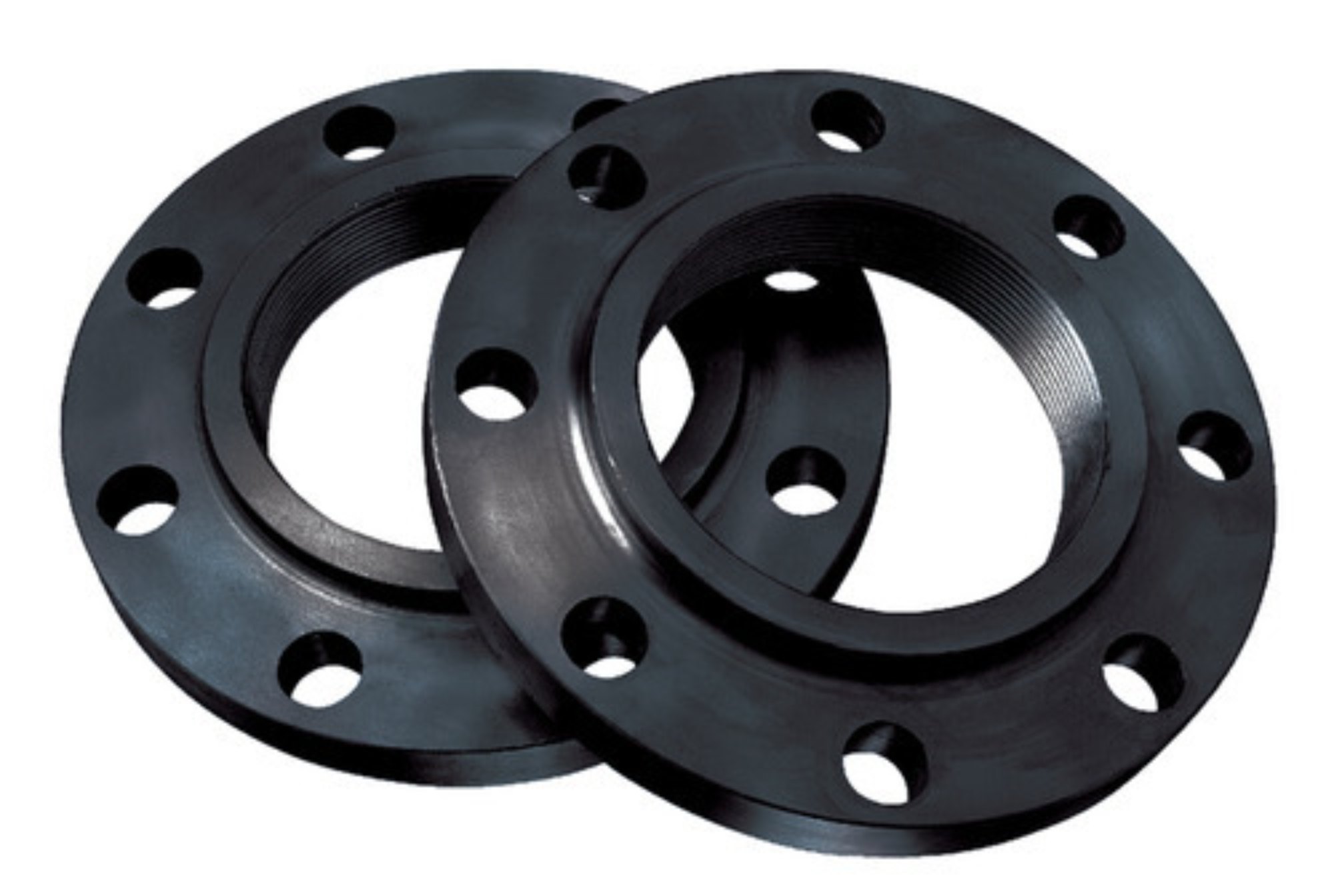
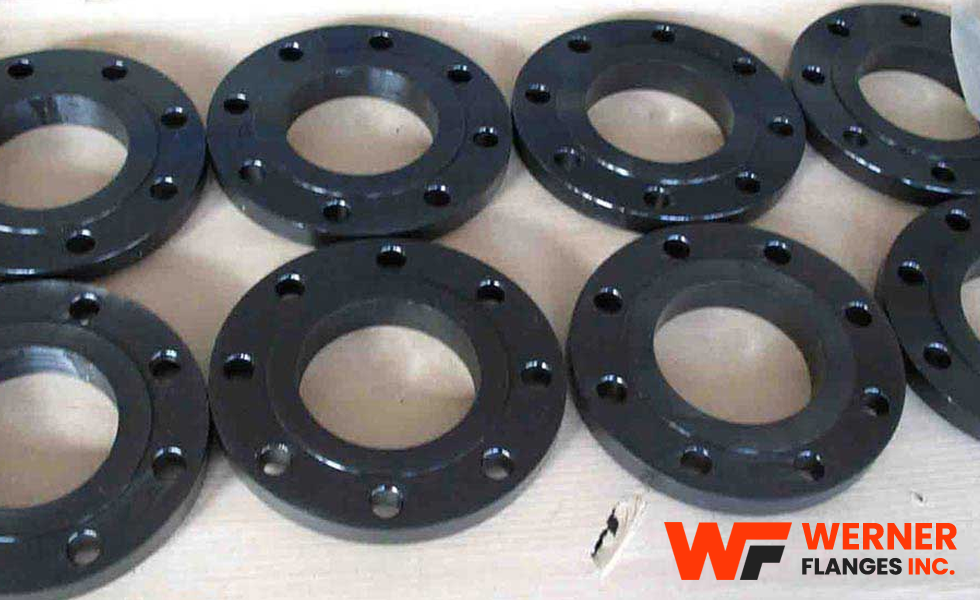
Our comprehensive range of carbon steel flanges includes weld neck, slip-on, blind, socket weld, threaded, and lap joint configurations, available in pressure classes from 150# to 2500# and sizes ranging from ½” to 60″. We understand South Africa’s unique industrial landscape—from the deep-level gold and platinum mines of the Bushveld Complex to the petrochemical installations at Secunda and the coal-fired power stations operated by Eskom—and deliver flanges engineered to meet these exacting requirements.
With direct manufacturing capabilities, stringent quality control processes certified to ISO 9001:2015, and strategic logistics partnerships through Durban and Cape Town ports, Werner Flanges guarantees competitive pricing, material traceability, and delivery timelines of 18–25 days for standard orders. Our technical team provides expert support for material selection, ensuring your carbon steel flanges meet SABS, API, and international standards while delivering exceptional value for South African industries.
In addition to product supply, Werner Flanges offers comprehensive project support including customized documentation, third-party inspection coordination, and reliable export packaging designed for long-distance transportation. Our commitment to consistent quality, responsive customer service, and dependable delivery has established Werner Flanges as a preferred partner for contractors, distributors, and industrial operators across South Africa’s mining, energy, and infrastructure sectors.
Specifications
| Specification | Details |
|---|---|
| Pressure Rating | Class 150 to Class 2500 |
| Flange Type | Plate Flange |
| Facing Type | Raised Face (RF), Flat Face (FF), Ring Type Joint (RTJ) |
| Size Range | ½” to 24” (DN 15 to DN 600) |
| Temperature Range | -29°C to +593°C (Depending on Material & Pressure Class) |
| Applications | Oil & Gas, Petrochemical, Power Generation, Water Treatment, Marine & Industrial Sectors |
| Manufacturing Process | Forged / Machined |
| Certification | EN 10204 3.1 / 3.2, IBR, NACE MR0175 / ISO 15156 (as applicable) |
Matel and Grade
| Type of Materials | Common Specifications / Customization Available on Request |
|---|---|
| Duplex Steel | ASTM/ASME A182 F51, F60, F61, UNS S31803, UNS S32205 |
| Super Duplex Steel | ASTM/ASME A182 F53, F55, UNS S32750, UNS S32760, F44 (6Mo) |
| Stainless Steel | ASTM/ASME A182 F304, F304L, F316, F316L, F310, F317L, F321, F347 |
| Carbon Steel | ASTM A105, A350 LF1, LF2, LF3, A266 Class 1/2, A694 F42 to F70, A765 Gr. II |
| Alloy Steel | ASTM/ASME A182 F1, F5, F9, F11, F12, F22 |
| Non-Ferrous Alloys | Titanium, Brass, Admiralty Brass, Copper Nickel, Nickel Alloys, Hastelloy |
| Titanium | ASTM/ASME B381 Gr.1, Gr.2, Gr.5, Gr.7, Gr.12, Gr.16 |
| Copper Nickel | ASTM B151 UNS C70600 (Cu-Ni 90/10), C71500 (Cu-Ni 70/30) |
| Brass, Al-Brass | ASTM B152 UNS C26000, C27200, C28000; ASTM B111 for Al-Brass |
| Nickel Alloys | ASTM B160, B161, B564 – UNS N02200, N02201, N04400, N08800, N08825, N06600, N06601, N06625, Monel K500 |
| Alloy 20 | ASTM B462 UNS N08020 |
| Hastelloy | ASTM B564 UNS N10276 (Hastelloy C276), N06022 (Hastelloy C22) |
| Cladded Materials | ASTM B898, B265, B424 or custom explosion/clad bonding using dissimilar metals |
| Titanium-Steel, Nickel-Steel, Titanium-Copper, Stainless Steel-Carbon Steel, Bimetallic/Trimetallic Combinations |
Types of Flanges
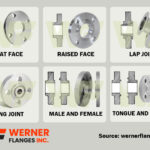
| Slip On Flanges | Weld Neck Flanges | Blind Flanges | Socket Weld Flanges | Threaded Flanges |
| Lap Joint Flanges | Reducing Flanges | Orifice Flanges | Long Weld Neck Flanges | Expander Flanges |
Industries and Applications We Supply
| Industry | Applications |
|---|---|
Oil & Gas Industry |
|
Mining Industry |
|
Power Generation |
|
Water & Wastewater Treatment |
|
Frequently Asked Questions (FAQs)
1. What is the difference between ASTM A105 and ASTM A350 LF2 carbon steel flanges?
ASTM A105 is normalized carbon steel for moderate to high-temperature service (-29°C to 400°C), representing the standard specification for most industrial applications. A350 LF2 is low-temperature carbon steel designed for service down to -46°C, featuring controlled chemistry and mandatory Charpy impact testing ensuring ductility at low temperatures.
For South African applications, A105 serves 95% of requirements including power generation, petrochemical processing, and general mining. A350 LF2 is specified for cryogenic storage, LPG/LNG terminals, high-altitude outdoor installations, and applications where temperature fluctuations or upset conditions could expose flanges to unexpected cold temperatures.
Material cost for LF2 exceeds A105 by 15-25% due to tighter chemistry control and mandatory impact testing, but this investment prevents brittle fracture in susceptible applications.
2. How long does delivery to South Africa typically take?
Standard Sea Freight:
- Durban Port: 18-22 days from dispatch
- Cape Town Port: 22-26 days from dispatch
- Port Elizabeth: 20-24 days from dispatch
Inland Distribution from Ports:
- Johannesburg/Gauteng: +24-36 hours
- Pretoria/Tshwane: +24-36 hours
- Bloemfontein: +36-48 hours
- Nelspruit/Mpumalanga: +36-48 hours
- Polokwane/Limpopo: +48-60 hours
Expedited Air Freight:
- OR Tambo International (Johannesburg): 48-72 hours total delivery
- Cape Town International: 48-72 hours total delivery
Total project timelines including manufacturing: 6-8 weeks for standard flanges (4-6 weeks manufacturing + 2 weeks shipping), 3-4 weeks for fast-track emergency requirements.
3. Can you supply flanges with hot-dip galvanizing or other coatings?
Yes, Werner Flanges supplies carbon steel flanges with various protective coatings:
Hot-Dip Galvanizing: Per ASTM A123, providing 80-100 micron zinc coating. Ideal for coastal installations (Cape Town, Durban, Port Elizabeth), wastewater treatment, and outdoor applications. Expected service life: 20-30 years.
Epoxy Coating: Two-component epoxy systems providing chemical resistance for mildly corrosive services. Common in municipal water treatment and food processing applications. Service life: 5-10 years depending on environment.
Paint Systems: Multi-layer epoxy or polyurethane coatings per customer specifications or international standards (ISO 12944). Used for color coding, aesthetic requirements, or specific corrosion environments.
Specialty Coatings: PTFE linings, rubber linings, or other specialized coatings for chemical resistance in specific applications.
Coating adds 1-2 weeks to manufacturing schedule and 10-35% to base flange cost depending on coating type and thickness.
4. Do you provide flanges compliant with NACE MR0175 for sour service?
Yes, carbon steel flanges for H₂S-containing environments are supplied meeting NACE MR0175/ISO 15156 requirements:
- Hardness Control: Maximum 22 HRC (≈237 HB), verified by testing at multiple flange locations
- Heat Treatment: Normalizing with controlled cooling ensuring compliant microstructure
- Documentation: Certificates confirming material grade and hardness compliance with NACE limits
NACE-compliant A105 flanges serve PetroSA sour gas processing, Sasol sour crude fractions, and offshore production where H₂S is present. The specification prevents sulfide stress cracking that could cause brittle failure in hydrogen sulfide environments.
5. What testing and inspection is included with standard flanges?
Standard Testing Package:
- Material Test Certificates (MTC) per EN 10204 3.1
- Chemical composition analysis (ladle and check analysis)
- Mechanical properties (tensile, hardness) from test specimens
- Dimensional inspection report verifying ASME B16.5 compliance
- Visual examination for surface defects
- Positive Material Identification (PMI) batch sampling
- Manufacturer’s Test Certificate
Optional Enhanced Testing:
- 100% PMI of every flange (vs. batch sampling)
- 100% ultrasonic testing per ASTM A388
- Magnetic particle or liquid penetrant inspection
- Charpy impact testing (standard for A350 LF2, optional for A105)
- Radiographic testing
- Hydrostatic pressure testing
- Third-party inspection (TÜV, DNV, Lloyd’s, SGS, Bureau Veritas)
Enhanced testing increases costs 5-20% depending on extent, but provides maximum assurance for critical applications at Eskom power stations, Sasol high-pressure reactors, or mining operations where failure consequences are severe.
6. Can you manufacture custom flanges to non-standard dimensions?
Yes, Werner Flanges manufactures custom configurations including:
Non-Standard Dimensions:
- Custom bolt hole patterns or orientations
- Non-standard outside diameters or thicknesses
- Special hub lengths or bore diameters
- Unique raised face dimensions
Heavy-Wall Designs:
- Extra thickness for slurry service erosion resistance
- Reinforced hubs for high-pressure applications
- Custom pressure ratings between standard classes
Large Diameter Specials:
- 60″-120″ flanges for water infrastructure
- Custom designs per ASME B16.47 or customer drawings
- Weights up to 2,000 kg per flange
Custom manufacturing requires engineering review, typically adding 2-3 weeks to standard lead time and 25-100% cost premium depending on complexity. For large projects justifying custom tooling investment, costs approach standard flange pricing with longer initial delivery offset by competitive pricing on repeat orders.
7. How do I select the correct pressure class for my application?
Pressure class selection depends on maximum operating pressure AND temperature:
Selection Process:
- Determine maximum operating pressure (in bar or PSI)
- Identify maximum operating temperature (in °C or °F)
- Consult ASME B16.5 pressure-temperature tables for carbon steel
- Select pressure class where maximum allowable pressure (at operating temperature) exceeds operating pressure with appropriate safety margin (typically 1.25-1.5x)
Example: Process line operating at 30 bar and 250°C:
- Class 300# at 250°C allows 35.5 bar – adequate with 1.18x safety factor
- Class 150# at 250°C allows only 13.8 bar – inadequate
- Therefore specify Class 300# minimum, or Class 600# for additional safety margin
Werner Flanges technical team assists with pressure class selection, considering not just static pressure but also pressure surges (water hammer), temperature excursions during upset conditions, and fatigue loading from pressure/temperature cycling.
GET A QUOTE
-
Contact Information
Email: sales@wernerflanges.com