Weld Neck Flanges to Nigeria

Leading Manufacturer & Exporter of
Weld Neck Flanges to Nigeria

Werner Flanges stands as Nigeria's trusted partner for premium weld neck flanges, serving the nation's rapidly expanding oil and gas, petrochemical, and power generation sectors since 1985. As a specialized manufacturer and exporter of ASME B16.5 compliant weld neck flanges, we understand the critical demands of Nigeria's energy infrastructure and industrial development projects across Lagos, Port Harcourt, Warri, Abuja, and Kaduna.

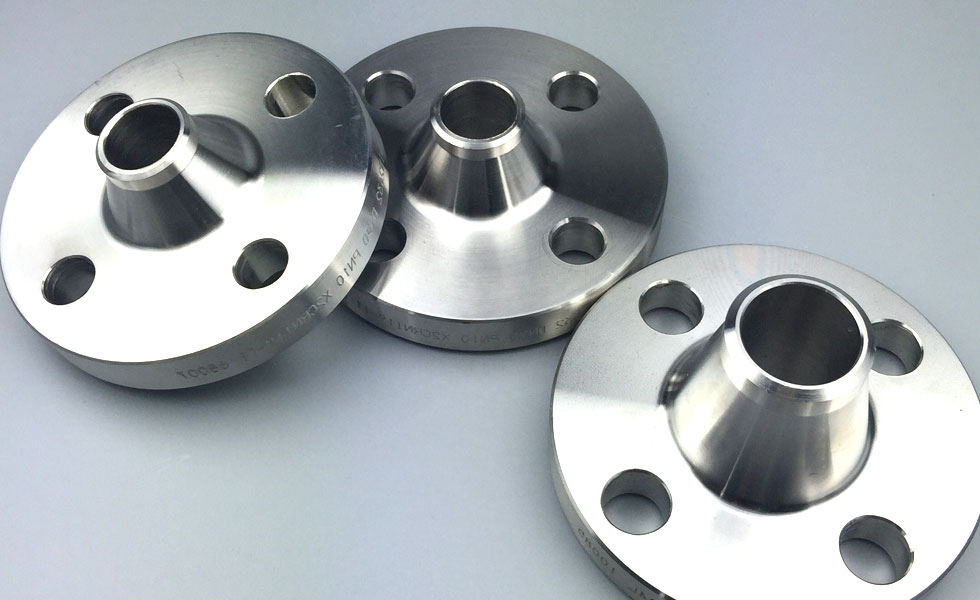
Our weld neck flanges are engineered to meet the stringent requirements of Nigeria’s offshore oil platforms, onshore processing facilities, and refinery operations. With manufacturing facilities equipped with advanced forging technology and certified to ISO 9001:2015, we deliver weld neck flanges in all pressure classes from 150# to 2500#, sizes ranging from 1/2″ to 60″, and materials including Carbon Steel (ASTM A105), Stainless Steel (304, 316, 321), Alloy Steel (F11, F22, F91), and Duplex grades (F51, F53).

We recognize Nigeria’s position as Africa’s largest oil producer and the unique challenges posed by the Niger Delta’s corrosive environments, offshore applications, and high-pressure upstream operations. Our weld neck flanges are specifically selected and tested to withstand these demanding conditions, offering superior fatigue resistance, leak-proof performance, and long-term reliability essential for operations by NNPC, Shell Nigeria, Chevron Nigeria, TotalEnergies, and ExxonMobil.

 With direct shipping to Apapa Port, Tin Can Island Port, Onne Port, and Calabar Port, we ensure delivery times of 18-22 days for sea freight and expedited 5-7 day air freight options to meet urgent project requirements across Nigeria’s industrial landscape.

Werner Flanges stands as Nigeria's premier weld neck flanges exporter, delivering ASME B16.5 certified flanges to Lagos, Port Harcourt, Warri, Abuja, and Kaduna. Our weld neck flanges serve Nigerian oil and gas operators including NNPC, Shell Nigeria, Chevron, TotalEnergies, and ExxonMobil in upstream production, midstream pipelines, and downstream refining applications. We supply Class 150# to Class 2500# weld neck flanges in carbon steel ASTM A105, stainless steel 304/316/321, duplex F51, super duplex F53, and alloy steel F11/F22/F91 materials. Nigerian offshore platforms, subsea equipment, high-pressure wellheads, and refinery process units rely on our NACE MR0175 compliant weld neck flanges with RTJ facings for critical sour service applications. Fast delivery to Apapa Port, Tin Can Port, Onne Port, and Calabar Port ensures your Nigerian projects remain on schedule with comprehensive quality documentation facilitating customs clearance and project compliance.
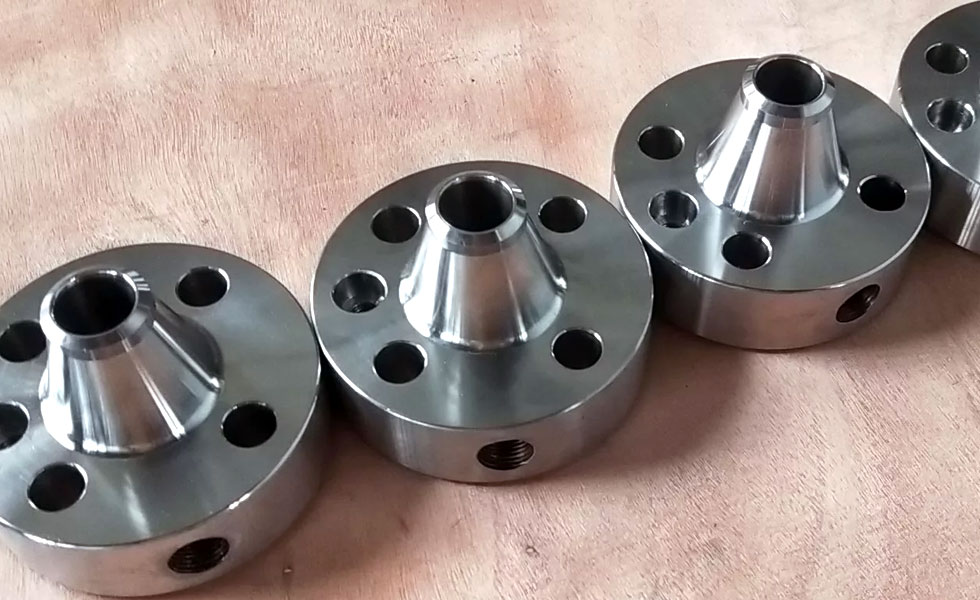
Specifications

Specification Details
Pressure Rating Class 150 to Class 2500
Flange Type Plate Flange
Facing Type Raised Face (RF), Flat Face (FF), Ring Type Joint (RTJ)
Size Range ½” to 24” (DN 15 to DN 600)
Temperature Range -29°C to +593°C (Depending on Material & Pressure Class)
Applications Oil & Gas, Petrochemical, Power Generation, Water Treatment, Marine & Industrial Sectors
Manufacturing Process Forged / Machined
Certification EN 10204 3.1 / 3.2, IBR, NACE MR0175 / ISO 15156 (as applicable)

Matel and Grade

Type of Materials Common Specifications / Customization Available on Request
Duplex Steel ASTM/ASME A182 F51, F60, F61, UNS S31803, UNS S32205
Super Duplex Steel ASTM/ASME A182 F53, F55, UNS S32750, UNS S32760, F44 (6Mo)
Stainless Steel ASTM/ASME A182 F304, F304L, F316, F316L, F310, F317L, F321, F347
Carbon Steel ASTM A105, A350 LF1, LF2, LF3, A266 Class 1/2, A694 F42 to F70, A765 Gr. II
Alloy Steel ASTM/ASME A182 F1, F5, F9, F11, F12, F22
Non-Ferrous Alloys Titanium, Brass, Admiralty Brass, Copper Nickel, Nickel Alloys, Hastelloy
Titanium ASTM/ASME B381 Gr.1, Gr.2, Gr.5, Gr.7, Gr.12, Gr.16
Copper Nickel ASTM B151 UNS C70600 (Cu-Ni 90/10), C71500 (Cu-Ni 70/30)
Brass, Al-Brass ASTM B152 UNS C26000, C27200, C28000; ASTM B111 for Al-Brass
Nickel Alloys ASTM B160, B161, B564 – UNS N02200, N02201, N04400, N08800, N08825, N06600, N06601, N06625, Monel K500
Alloy 20 ASTM B462 UNS N08020
Hastelloy ASTM B564 UNS N10276 (Hastelloy C276), N06022 (Hastelloy C22)
Cladded Materials ASTM B898, B265, B424 or custom explosion/clad bonding using dissimilar metals
Titanium-Steel, Nickel-Steel, Titanium-Copper, Stainless Steel-Carbon Steel, Bimetallic/Trimetallic Combinations

Types of Flanges

Weld Neck Flanges Raised Face Weld Neck Flanges Flat Face Weld Neck Flanges RTJ Weld Neck Flanges Long Weld Neck Flanges
High Pressure Weld Neck Flanges Forged Weld Neck Flanges Reducing Weld Neck Flanges Industrial Weld Neck Flanges Custom Weld Neck Flanges

Industries and Applications We Supply

Industry Applications
Oil & Gas Industry
  • Nigeria’s position as Africa’s largest oil producer and the continent’s leading natural gas reserve holder creates extensive demand for high-integrity weld neck flanges across the entire petroleum value chain.Upstream Production Operations:  Weld neck flanges are critical components in Nigeria’s onshore and offshore oil and gas production infrastructure serving operators including NNPC, Shell Petroleum Development Company (SPDC), TotalEnergies E&P Nigeria, Chevron Nigeria Limited, ExxonMobil Nigeria, and Eni. In the Niger Delta’s swamp and shallow water environments, Class 600 to Class 1500 weld neck flanges in duplex stainless steel (F51) connect wellhead Christmas trees, wing valves, choke manifolds, and flow crosses. The superior corrosion resistance of duplex materials addresses the harsh combination of hydrogen sulfide (H2S), carbon dioxide (CO2), chlorides from produced water, and tropical humidity that would rapidly degrade carbon steel alternatives.Offshore deepwater developments in the Gulf of Guinea, including fields operated in water depths exceeding 1,000 meters, utilize Class 1500 and Class 2500 super duplex (F53) weld neck flanges with RTJ facings for subsea wellhead systems, mudline suspensions, and subsea isolation valves. The high strength-to-weight ratio of super duplex materials reduces subsea equipment weight while maintaining structural integrity under extreme pressures encountered at depths beyond 2,000 meters.High-pressure gas wells producing from overpressured zones in the Niger Delta and offshore Continental Shelf require Class 900 to Class 2500 weld neck flanges manufactured from NACE MR0175 compliant materials with maximum hardness limits (22 HRC) preventing sulfide stress cracking in sour gas service. Flow station manifolds, test separators, and metering skids serving multiple well strings utilize large-diameter weld neck flanges (12 to 36 inches) in Class 300 to Class 600 ratings fabricated from carbon steel ASTM A105N with appropriate corrosion allowances and protective coatings.

    Midstream Pipeline & Processing:  Nigeria’s extensive pipeline network transporting crude oil from production fields to export terminals and natural gas to domestic power plants and LNG facilities relies on weld neck flanges for critical connections. Crude oil trunk lines including the Trans-Niger Pipeline, Nembe Creek Trunk Line, and Escravos Pipeline System employ Class 300 weld neck flanges in sizes up to 48 inches diameter connecting pump stations, meter runs, and block valve assemblies. Carbon steel ASTM A105 with external fusion-bonded epoxy coating and internal corrosion inhibitor injection protects against the dual threats of atmospheric corrosion in Nigeria’s humid coastal climate and internal corrosion from acidic crude oil components.

    Natural gas gathering systems collecting associated gas from oil wells and free gas from dedicated gas fields utilize Class 300 to Class 600 weld neck flanges in carbon steel or, increasingly, duplex stainless steel for sulfur-containing gas streams. The Nigeria Gas Master Plan infrastructure expansion, designed to monetize flared associated gas, incorporates thousands of weld neck flange connections in compressor stations, gas treatment plants removing CO2 and H2S, and pipeline interconnections feeding the West African Gas Pipeline and domestic power sector.

    Nigeria LNG Limited’s six-train liquefaction facility on Bonny Island processes natural gas at cryogenic temperatures requiring specialized ASTM A350 LF2 weld neck flanges with guaranteed impact toughness at -46°C. The refrigeration systems, cold boxes, and cryogenic storage tanks handling liquefied natural gas at -162°C demand materials maintaining ductility and fracture toughness well below ambient temperatures—conditions foreign to Nigeria’s tropical climate but essential for LNG production infrastructure.

    Downstream Refining & Petrochemicals:  Nigeria operates four major refineries—Port Harcourt Refinery I & II (combined 210,000 bpd), Warri Refinery (125,000 bpd), and Kaduna Refinery (110,000 bpd)—though capacity utilization has historically remained far below nameplate capacity due to maintenance challenges and aging infrastructure. Ongoing refinery rehabilitation and the under-construction Dangote Refinery (650,000 bpd capacity in Lagos) create substantial demand for replacement and new weld neck flanges.

    Crude distillation units processing Nigerian light sweet crude (API gravity 35-45°) utilize Class 300 weld neck flanges in carbon steel A105 for atmospheric column feed, overhead vapor, and sidestream connections operating at temperatures from ambient to 350°C. Vacuum distillation columns producing heavy gas oil and vacuum residue feedstocks employ Class 150 to Class 300 flanges in larger diameters (24 to 48 inches) where the vacuum service reduces pressure requirements but elevated temperatures (350-400°C) demand careful material selection and thermal expansion considerations.

    Fluid Catalytic Cracking (FCC) units converting heavy gas oils to gasoline and light olefins operate at some of the most severe conditions in petroleum refining, with reactor temperatures exceeding 500°C and regenerator temperatures approaching 700°C. ASTM A182 F22 (2.25Cr-1Mo) alloy steel weld neck flanges in Class 600 to Class 900 ratings connect catalyst transfer lines, reactor effluent systems, and main column piping where high-temperature strength retention and resistance to creep deformation are essential.

    Delayed coking units processing vacuum residue into petroleum coke and lighter products subject weld neck flanges to extreme thermal cycling, with temperatures swinging from ambient to 500°C during coke drum cycles. Class 600 alloy steel F11 or F22 weld neck flanges with special attention to thermal expansion joints and cyclic fatigue resistance serve coke drum overhead vapor lines, fractionator connections, and high-temperature pump services.

    Hydroprocessing units—including hydrotreaters removing sulfur and nitrogen compounds and hydrocrackers producing high-quality diesel and jet fuel—operate in hydrogen-rich environments at elevated temperatures and pressures creating susceptibility to hydrogen attack and embrittlement. ASTM A182 F11 alloy steel weld neck flanges selected per API 941 Nelson Curves prevent hydrogen attack in reactor effluent piping, high-pressure separator connections, and recycle gas circuits operating above 400°C and 100 bar pressure. Post-weld heat treatment is mandatory for thick-section alloy steel flanges to restore toughness in heat-affected zones and meet ASME B31.3 requirements for hydrogen service.


Petrochemical & Chemical Processing
  • Nigeria’s emerging petrochemical sector, anchored by the Eleme Petrochemical Company and Indorama Eleme Petrochemicals in Rivers State, processes natural gas liquids and naphtha into polymers, fertilizers, and basic chemicals. Ethylene crackers, polyethylene plants, and methanol synthesis units require weld neck flanges resistant to both process chemicals and elevated temperatures. Fertilizer production facilities including Notore Chemical Industries (Onne) and Dangote Fertilizer (Lagos) utilize weld neck flanges in ammonia synthesis loops operating at 150-250 bar pressure and 400-500°C temperature. Class 900 to Class 1500 ASTM A182 F22 alloy steel weld neck flanges with special attention to hydrogen attack resistance serve high-pressure synthesis gas compressors, ammonia converters, and associated heat exchange equipment.Caustic soda (sodium hydroxide) production through chlor-alkali electrolysis processes corrosive concentrated caustic solutions requiring nickel alloy weld neck flanges (Inconel 600, Monel 400) or, more economically, duplex stainless steel F51 for caustic concentrations below 50% at temperatures below 80°C. Chemical storage tank connections, loading arms, and transfer piping serving Nigeria’s chemical distribution terminals utilize stainless steel 316L weld neck flanges providing broad chemical compatibility and corrosion resistance
Power Generation
  • Nigeria’s chronic power shortage drives ongoing investment in thermal power generation, with gas turbine combined-cycle plants offering efficient utilization of abundant natural gas resources. The Egbin Thermal Power Station (Lagos), Afam Power Station (Rivers State), and numerous independent power projects employ weld neck flanges in steam cycle and gas fuel systems.High-pressure boiler drum connections, superheater outlets, and main steam piping to turbines operate at supercritical conditions (above 221 bar, 374°C) requiring ASTM A182 F22 or F91 alloy steel weld neck flanges with Class 900 to Class 1500 pressure ratings. The superior creep strength of F91 modified 9Cr-1Mo alloy enables wall thickness reduction and material cost savings compared to conventional F22 while maintaining long-term integrity under sustained high-temperature loading.Gas turbine fuel gas supply systems, compressed air discharge piping, and exhaust gas heat recovery units utilize stainless steel 321 or alloy steel weld neck flanges selected for high-temperature oxidation resistance and thermal fatigue resistance under continuous cycling between baseload and peak demand operation.
Water & Wastewater Treatment
  • Rapid urbanization in Lagos, Abuja, Port Harcourt, and other major Nigerian cities drives water treatment and distribution infrastructure expansion. Weld neck flanges in ductile iron, carbon steel, or stainless steel 304 connect pumps, valves, and pipe manifolds in water treatment plants, sewage collection systems, and municipal distribution networks. Large-diameter weld neck flanges (24 to 60 inches) in Class 150 carbon steel serve raw water intake pumping stations, clarifier piping, and treated water transmission mains. Stainless steel 316L weld neck flanges are specified for chlorinated water service, seawater intake systems, and wastewater treatment plants where corrosion resistance justifies the material premium over carbon steel with protective coatings.

Frequently Asked Questions (FAQs)

q1: are your weld neck flanges certified to asme b16.5 standards?
yes, all werner flanges weld neck flanges are manufactured in strict conformance with asme b16.5-2020 dimensional and tolerance requirements. we maintain iso 9001:2015 certification for our quality management system and provide ped 2014/68/eu certification when required for european project specifications. material certifications per astm specifications are included with every shipment, and third-party inspection by agencies such as tüv, bureau veritas, lloyd’s register, or dnv can be arranged to independently verify compliance.
q2: what is the typical delivery time for weld neck flanges to nigerian ports?
standard delivery time is 18-22 days for sea freight from order confirmation to arrival at apapa port (lagos), tin can island port (lagos), onne port (port harcourt), or other nigerian ports. air freight expedited delivery is available for urgent requirements, with 5-7 days total delivery time to lagos or port harcourt airports. for common sizes and pressure classes, ex-stock shipment from our inventory can reduce lead times to 10-14 days sea freight. custom specifications or special materials may require additional manufacturing time, communicated at quotation stage.
q3: do you supply weld neck flanges with nace mr0175 compliance for sour service?
yes. werner flanges regularly supplies nace mr0175/iso 15156 compliant weld neck flanges for nigerian sour gas and oil production applications containing hydrogen sulfide (h2s). we provide complete documentation including material selection per nace requirements, hardness testing verification confirming maximum 22 hrc hardness limits, heat treatment records, and sulfide stress cracking resistance certification. materials are sourced from approved mills with proven nace capability, and 100% hardness testing ensures every flange meets the stringent requirements for sour service environments common in nigerian oil fields.
q4: can you provide duplex stainless steel weld neck flanges for offshore applications?
yes, werner flanges specializes in duplex (astm a182 f51) and super duplex (astm a182 f53/f55) weld neck flanges for nigerian offshore platforms and subsea equipment. these materials offer superior corrosion resistance to seawater, high chloride environments, and h2s-containing production fluids while providing twice the yield strength of conventional austenitic stainless steels. duplex flanges are particularly valuable for weight-sensitive offshore applications where material strength enables thinner wall sections and reduced topsides loading. we provide complete documentation including solution annealing heat treatment charts, ferrite/austenite balance verification, and corrosion testing certificates for critical subsea applications.
q5: what documentation do you provide for customs clearance in nigeria?
werner flanges provides comprehensive commercial documentation facilitating smooth nigerian customs clearance including: commercial invoice with detailed itemization, packing list with weights and dimensions, certificate of origin certified by indian chamber of commerce (for form m processing), bill of lading, marine cargo insurance certificate, and export declaration. quality documents include material test certificates (en 10204 3.1), dimensional inspection reports, pmi test reports, mechanical test results, ndt reports, and certificate of conformance. all documents are provided electronically in pdf format immediately upon shipment, with original hard copies couriered via dhl/fedex within 48 hours and additional physical copies included in the shipment for project files.
q6: can you supply weld neck flanges with rtj facing for high-pressure wellhead applications?
yes, werner flanges manufactures weld neck flanges with ring type joint (rtj) facings per asme b16.5 specifications for high-pressure wellhead equipment, blowout preventers, and critical process applications. we supply both r-series (octagonal) and rx-series (oval) groove dimensions in all pressure classes from 150 to 2500. rtj flanges are precision-machined to tighter tolerances than raised face flanges, with groove dimensions held to ±0.005 inch and surface finish of 125-250 microinch ra. materials available include carbon steel a105, alloy steels f11/f22, stainless steels 304/316, and duplex/super duplex grades. complete dimensional inspection reports verify groove width, depth, diameter, and pitch diameter conformance to asme b16.20 ring gasket compatibility.

GET A QUOTE

Contact Werner Flanges:

Email: sales@wernerflanges.com
  • 0800-123456 (24/7 Support Line)
  • info@example.com
  • 6701 Democracy Blvd, Suite 300, USA