Slip-On Flanges to Nigeria

Leading Manufacturer & Exporter of
Slip-On Flanges to Nigeria's Oil & Gas Industry

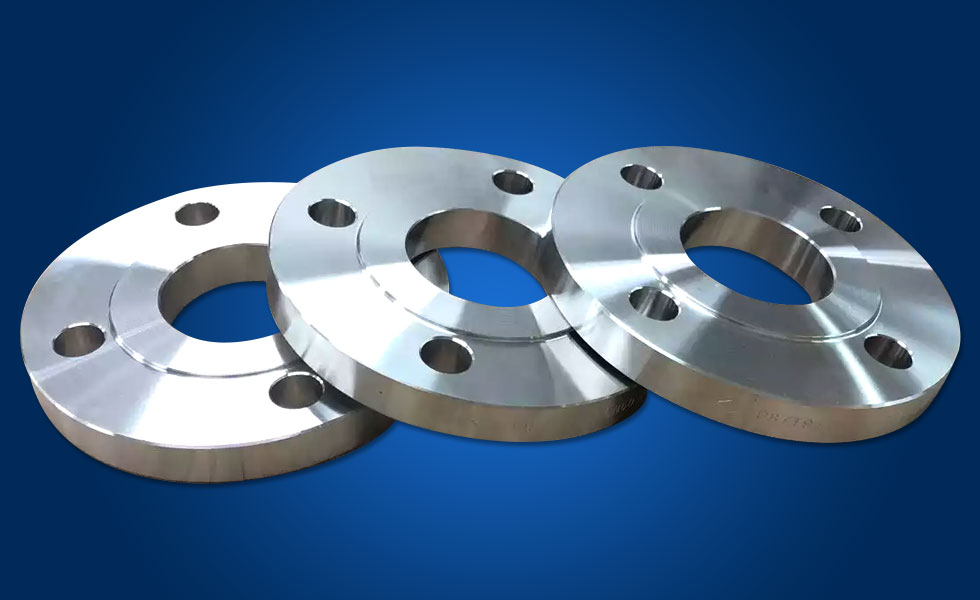
Werner Flanges stands as Nigeria's trusted partner for premium slip-on flanges, serving the nation's thriving oil and gas sector with over three decades of specialized manufacturing experience. As a leading slip-on flanges supplier to Nigeria, we provide comprehensive solutions to major industry players including NNPC, Shell Nigeria, Chevron Nigeria, TotalEnergies, ExxonMobil, and Seplat Energy across Lagos, Port Harcourt, Warri, Abuja, Kaduna, and the Niger Delta region.
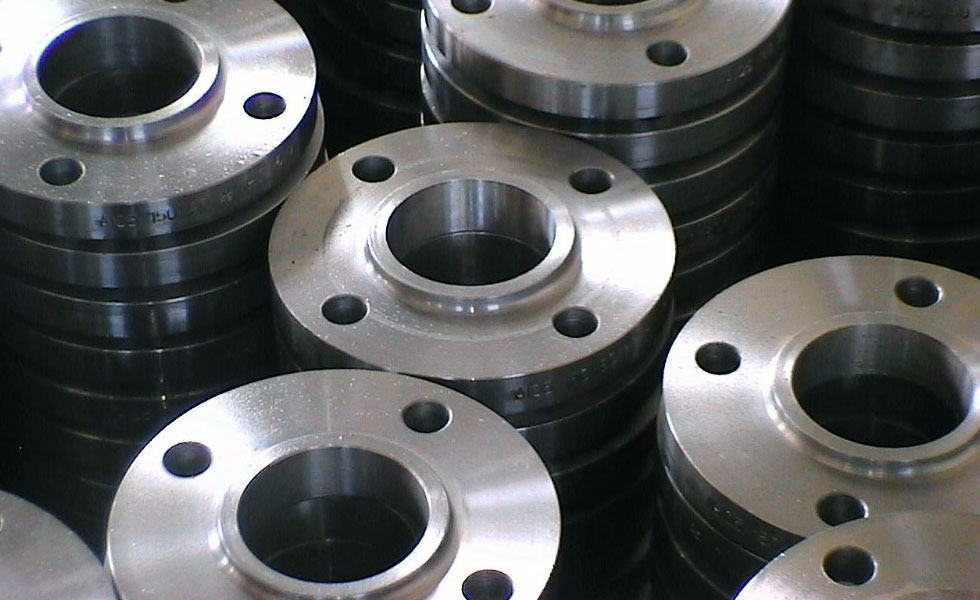
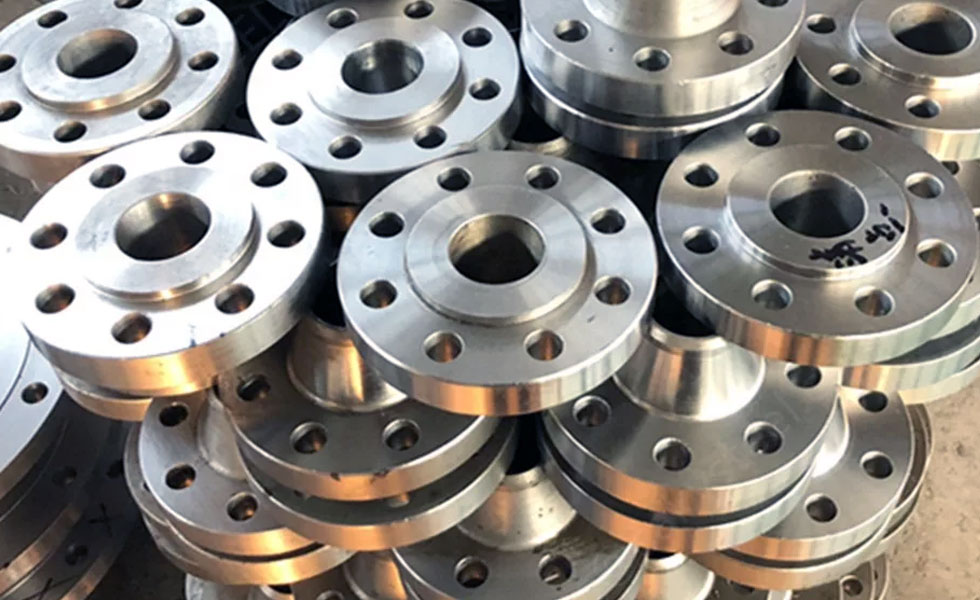
Our slip-on flanges are engineered to meet the demanding requirements of Nigeria’s upstream and downstream petroleum operations, from offshore platforms in the Gulf of Guinea to onshore processing facilities and the newly commissioned Dangote Refinery. We manufacture slip-on flanges in compliance with ASME B16.5, ASME B16.47, DIN, and BS standards, utilizing premium materials including Carbon Steel ASTM A105, Stainless Steel ASTM A182 F304/F316/F316L, Alloy Steel, and Duplex grades.

With strategic shipping capabilities to all major Nigerian ports including Apapa Port Complex, Tin Can Island Port, Port Harcourt Port Complex, Onne Port, and Warri Port, we ensure consistent supply to petrochemical plants, refineries, power generation facilities, and industrial infrastructure projects across Nigeria. Our slip-on flanges serve pressure classes from 150# to 2500# in sizes ranging from ½” to 60″, backed by complete material traceability and third-party inspection certifications.

slip on flanges supplier Nigeria oil and gas,
ASME B16.5 slip on flanges exporter Lagos Port Harcourt,
carbon steel A105 slip on flanges Nigeria refinery
stainless steel 316L slip on flanges offshore Nigeria
duplex super duplex slip on flanges Gulf of Guinea
NACE MR0175 compliant slip on flanges Niger Delta
Class 300 slip on flanges Port Harcourt Warri
ISO certified slip on flanges manufacturer Nigeria
slip on flanges delivery Apapa Tin Can Island Port
third party inspection slip on flanges Nigeria DNV Lloyds

Specifications

Specification Details
Pressure Rating Class 150 to Class 2500
Flange Type Plate Flange
Facing Type Raised Face (RF), Flat Face (FF), Ring Type Joint (RTJ)
Size Range ½” to 24” (DN 15 to DN 600)
Temperature Range -29°C to +593°C (Depending on Material & Pressure Class)
Applications Oil & Gas, Petrochemical, Power Generation, Water Treatment, Marine & Industrial Sectors
Manufacturing Process Forged / Machined
Certification EN 10204 3.1 / 3.2, IBR, NACE MR0175 / ISO 15156 (as applicable)

Matel and Grade

Type of Materials Common Specifications / Customization Available on Request
Duplex Steel ASTM/ASME A182 F51, F60, F61, UNS S31803, UNS S32205
Super Duplex Steel ASTM/ASME A182 F53, F55, UNS S32750, UNS S32760, F44 (6Mo)
Stainless Steel ASTM/ASME A182 F304, F304L, F316, F316L, F310, F317L, F321, F347
Carbon Steel ASTM A105, A350 LF1, LF2, LF3, A266 Class 1/2, A694 F42 to F70, A765 Gr. II
Alloy Steel ASTM/ASME A182 F1, F5, F9, F11, F12, F22
Non-Ferrous Alloys Titanium, Brass, Admiralty Brass, Copper Nickel, Nickel Alloys, Hastelloy
Titanium ASTM/ASME B381 Gr.1, Gr.2, Gr.5, Gr.7, Gr.12, Gr.16
Copper Nickel ASTM B151 UNS C70600 (Cu-Ni 90/10), C71500 (Cu-Ni 70/30)
Brass, Al-Brass ASTM B152 UNS C26000, C27200, C28000; ASTM B111 for Al-Brass
Nickel Alloys ASTM B160, B161, B564 – UNS N02200, N02201, N04400, N08800, N08825, N06600, N06601, N06625, Monel K500
Alloy 20 ASTM B462 UNS N08020
Hastelloy ASTM B564 UNS N10276 (Hastelloy C276), N06022 (Hastelloy C22)
Cladded Materials ASTM B898, B265, B424 or custom explosion/clad bonding using dissimilar metals
Titanium-Steel, Nickel-Steel, Titanium-Copper, Stainless Steel-Carbon Steel, Bimetallic/Trimetallic Combinations

Types of Flanges

Slip On Flanges Raised Face Slip On Flanges Flat Face Slip On Flanges RTJ Slip On Flanges Forged Slip On Flanges
Plate Slip On Flanges Industrial Slip On Flanges High Pressure Slip On Flanges ASME B16.5 Slip On Flanges ANSI Slip On Flanges

Industries and Applications We Supply

Industry Applications
Oil & Gas Industry
  • Upstream Operations: Slip-on flanges are integral to Nigeria’s upstream oil and gas production across onshore fields in the Niger Delta and offshore deepwater developments in the Gulf of Guinea. Major applications include:
    • Wellhead Connections: Lower-pressure class slip-on flanges connect surface equipment at wellheads operated by Shell, Chevron, ExxonMobil, and indigenous producers across Delta, Rivers, Bayelsa, and Akwa Ibom states
    • Production Manifolds: Gathering systems collecting crude oil and natural gas from multiple wells utilize Class 300# and 600# slip-on flanges for economical yet reliable connections in flowlines and production manifolds
    • Crude Oil Gathering Lines: Transfer pipelines moving crude from wellheads to central processing facilities throughout the Niger Delta employ slip-on flanges for ease of installation and maintenance access
    • Gas Processing Facilities: Separation, compression, and treatment facilities processing associated gas at Bonny Island, Escravos, and inland locations use slip-on flanges in moderate-pressure process piping
    • Offshore Platforms: Fixed platforms and floating production systems in fields including Bonga (Shell), Akpo (TotalEnergies), Egina (TotalEnergies), and Erha (ExxonMobil) utilize corrosion-resistant stainless steel and duplex slip-on flanges in topside facilities

    Midstream Operations: Nigeria’s crude oil and refined product transportation infrastructure relies heavily on slip-on flanges:

    • Export Terminals: Loading facilities at Bonny, Forcados, Brass, Qua Iboe, Escravos, and other terminals use slip-on flanges in manifold systems, tank farm connections, and loading arms
    • Storage Tank Connections: Tank farm facilities throughout Nigeria employ slip-on flanges for connections to pumps, valves, and transfer lines serving crude oil and refined product storage
    • Pipeline Pump Stations: Booster pumps along crude and product pipelines use slip-on flanges for suction and discharge piping connections

    Downstream Refining: Nigeria’s refining sector—including Port Harcourt (210,000 bpd capacity), Warri (125,000 bpd), Kaduna (110,000 bpd), and the new Dangote Refinery (650,000 bpd)—uses thousands of slip-on flanges:

    • Crude Distillation Units (CDU): Lower sections of distillation columns handling heated crude employ alloy steel slip-on flanges rated for elevated temperatures
    • Catalytic Cracking Units (FCC): Process piping for catalyst circulation and product fractionation utilizes a mix of carbon and stainless steel slip-on flanges based on service conditions
    • Hydrotreating Units: Hydrogen service applications require alloy steel F11 Class 2 slip-on flanges meeting NACE MR0175 requirements for sulfide stress cracking resistance
    • Reforming Units: Aromatic production units use high-temperature alloy steel slip-on flanges in reactor effluent systems

    Utility Systems: Cooling water, steam condensate, and instrument air systems throughout refineries employ economical Class 150# carbon steel slip-on flanges.


Petrochemical & Chemical Processing
  • Nigeria’s petrochemical industry—comprising the Warri Refining and Petrochemical Company (WRPC), Kaduna Refining and Petrochemical Company (KRPC), and Indorama Eleme Petrochemical Company (IEPC)—relies on slip-on flanges for:
    • Ethylene/Propylene Production: Olefin manufacturing units processing natural gas liquids and refinery off-gases use stainless steel slip-on flanges in cryogenic and high-purity service
    • Polyethylene/Polypropylene Plants: Polymer production facilities at IEPC and other locations employ slip-on flanges in reactor systems, catalyst transfer lines, and product handling
    • Aromatics Production: BTX (Benzene-Toluene-Xylene) extraction and separation units use carbon and stainless steel slip-on flanges throughout distillation and treatment sections
    • Carbon Black Manufacturing: The WRPC carbon black plant producing 18,000 tonnes annually uses high-temperature slip-on flanges in furnace and collection systems
    • Linear Alkyl Benzene (LAB): The KRPC LAB facility producing detergent feedstock employs slip-on flanges in kerosene and benzene alkylation processes
    • Fertilizer Production: Ammonia and urea plants utilizing associated gas as feedstock require slip-on flanges in synthesis gas preparation, conversion, and product systems

    Chemical Manufacturing: Specialty chemical plants throughout Lagos, Ogun State, and other industrial zones use corrosion-resistant stainless steel slip-on flanges for handling acids, caustics, solvents, and intermediates

Power Generation
  • Nigeria’s power sector, operating coal, gas, and hydro facilities with total installed capacity exceeding 12,000 MW, uses slip-on flanges extensively:
    • Gas Turbine Power Plants: Combined-cycle facilities in Egbin (Lagos), Afam (Rivers State), Omotosho (Ondo State), and Geregu (Kogi State) use slip-on flanges in natural gas fuel supply systems, combustion air systems, and auxiliary piping
    • Steam Power Plants: Coal and gas-fired steam generation facilities employ high-temperature alloy steel slip-on flanges in:
      • High-pressure steam lines (Class 600#-1500# F22 or F91 material)
      • Intermediate-pressure reheat systems (Class 300#-600# alloy steel)
      • Low-pressure turbine exhaust and condensate systems (Class 150# carbon steel)
      • Feedwater heating and deaeration systems
      • Boiler blowdown and chemical injection systems
    • Cooling Water Systems: Once-through or closed-loop cooling systems serving turbine condensers use large-diameter Class 150# carbon steel slip-on flanges, with stainless steel specified for seawater cooling at coastal locations

    Ash Handling Systems: Coal-fired plants utilize abrasion-resistant slip-on flanges in bottom ash and fly ash collection and transport piping.

Water & Wastewater Treatment
  • Nigeria’s growing urban infrastructure requires extensive water treatment and distribution:
    • Desalination Plants: Coastal cities developing seawater desalination capacity employ duplex and super duplex stainless steel slip-on flanges in seawater intake, pre-treatment, and high-pressure RO feed systems
    • Municipal Water Treatment: Surface water treatment plants serving Lagos (20+ million population), Kano (4+ million), Ibadan (3+ million), Port Harcourt, Abuja, and other cities use:
      • Class 150# carbon steel slip-on flanges in raw water intake
      • Stainless steel slip-on flanges in chemical feed systems (chlorine, alum, polymers)
      • Coated carbon steel or stainless steel slip-on flanges in treated water distribution
    • Water Distribution Networks: Trunk mains and transmission lines distributing potable water throughout Nigerian cities employ ductile iron or carbon steel slip-on flanges with protective coatings
    • Wastewater Treatment Plants: Sewage collection and treatment facilities use:
      • PVC or coated steel slip-on flanges in collection systems
      • Stainless steel flanges in aeration basins and biological treatment
      • Carbon steel flanges in sludge handling and dewatering systems

    Industrial Wastewater Treatment: Refinery, petrochemical, and manufacturing facility effluent treatment systems require corrosion-resistant stainless steel slip-on flanges handling varying pH and chemical content

Frequently Asked Questions (FAQs)

Q1: What is the difference between slip-on flanges and weld neck flanges?
Slip-on flanges slip over the pipe and require two fillet welds, offering cost-effectiveness and easy installation for low-to-moderate pressure. Weld neck flanges have a tapered hub, butt-welded to the pipe, ideal for high-pressure, high-temperature, or critical applications.

  • Slip-on: Low-to-moderate pressure, frequent assembly/disassembly, simpler installation.
  • Weld neck: High pressure, high temperature, critical offshore or refinery services.
Q2: Are your slip-on flanges suitable for offshore oil and gas platforms in Nigeria?
Yes. Materials include ASTM A182 F316L stainless, duplex F51, super duplex F53/F55, and NACE MR0175 compliant grades. Testing includes third-party inspection, PMI, ultrasonic testing, impact tests, and compliance with operator specifications.
Q3: Typical delivery time to Lagos and Port Harcourt?
  • Lagos: Sea 18-22 days, air 5-7 days + 3-5 days customs
  • Port Harcourt: Sea 20-24 days, air 6-8 days + 3-5 days customs
  • Manufacturing: Stock 2-3 weeks, custom 4-6 weeks, large/rare materials 6-8 weeks
Q4: Do you provide NACE MR0175 compliant flanges for sour service?
Yes. Compliance includes approved materials, hardness limits, heat treatment, impact testing, low sulfur/phosphorus chemistry, and full documentation. Suitable for H₂S-containing service in Niger Delta.
Q5: Can you manufacture slip-on flanges in duplex or super duplex stainless steel?
Yes. Available grades: ASTM A182 F51 (duplex), F53/F55 (super duplex). Applications: offshore seawater systems, subsea production, desalination intake, coastal chemical plants, sour gas service.
Q6: What documentation do you provide for Nigerian customs clearance?
Commercial invoice, packing list, certificate of origin, bill of lading/air waybill, MTC (EN 10204 3.1), manufacturer’s compliance certificate. Optional: SON conformity, pre-shipment inspection, import permits, technical drawings. HS codes 7307.91/7307.92.
Q7: Do you offer third-party inspection services?
Yes. Inspection by TÜV, DNV, Lloyd’s, BV, SGS, or Intertek. Options: source inspection, pre-shipment in Nigeria, witness testing, material traceability, and certification coordination.

GET A QUOTE

How to Request a Quote

Email: sales@wernerflanges.com
  • 0800-123456 (24/7 Support Line)
  • info@example.com
  • 6701 Democracy Blvd, Suite 300, USA