Leading Manufacturer & Exporter of
Slip On Flanges to Indonesia
Werner Flanges is a premier manufacturer and exporter of high-quality Slip On Flanges to Indonesia, serving the nation's rapidly expanding industrial infrastructure since 1989. With over three decades of specialized experience in flange manufacturing, we supply ASME B16.5 and DIN standard Slip On Flanges to Indonesia's oil and gas sector, petrochemical plants, power generation facilities, and marine industries across Jakarta, Surabaya, Balikpapan, Batam, and Cilegon.
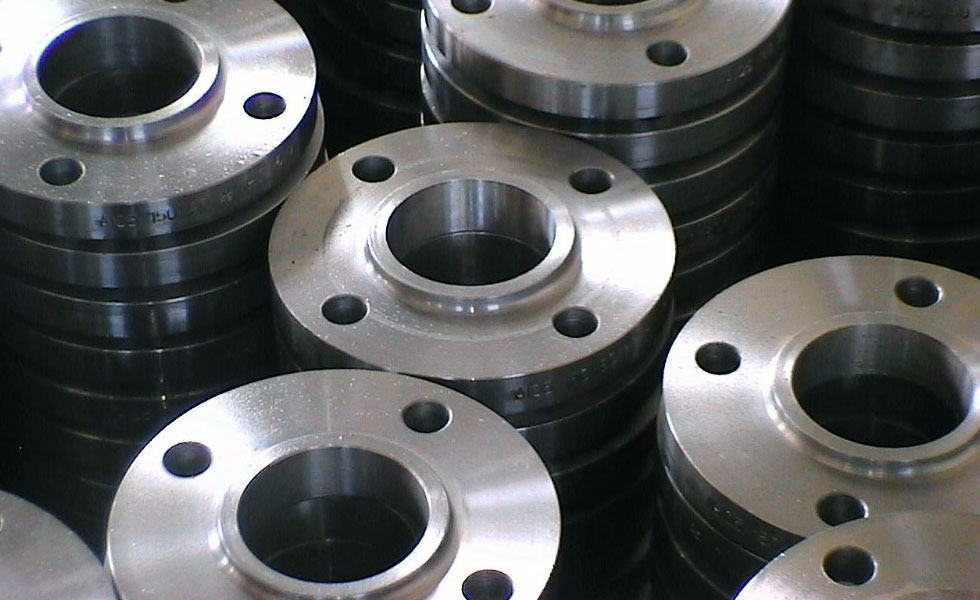
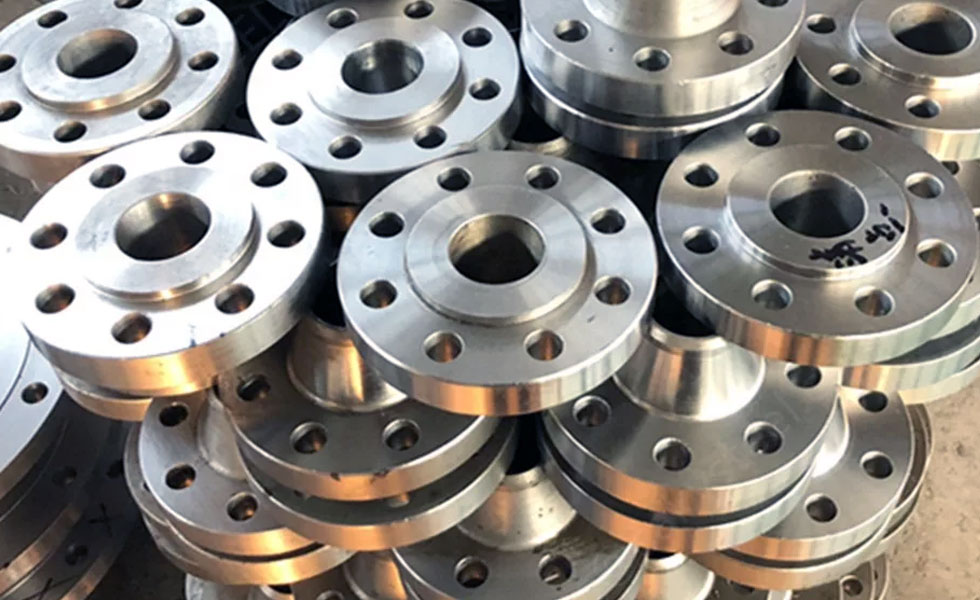
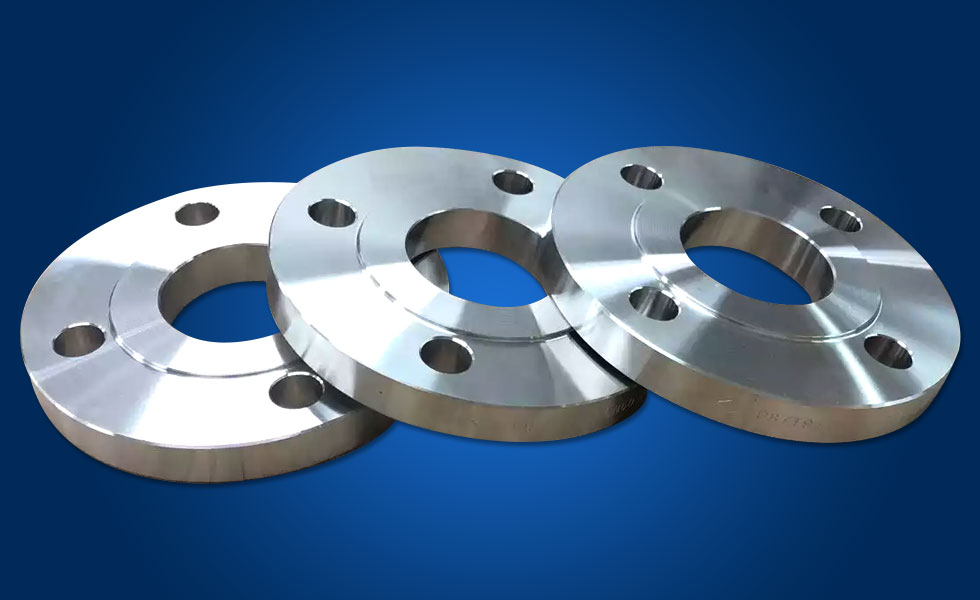
Our Slip On Flanges are manufactured using premium-grade raw materials including Carbon Steel (ASTM A105, A350 LF2), Stainless Steel (304, 304L, 316, 316L), Alloy Steel (F11, F22, F91), and Duplex grades (F51, F53, F55). We maintain comprehensive inventory in all pressure classes from 150# to 2500# and sizes ranging from ½” to 60″, ensuring rapid delivery to Indonesia’s major industrial hubs and offshore installations.
Indonesia’s strategic position as Southeast Asia’s largest economy and a major player in oil, gas, coal, and palm oil industries demands reliable piping solutions. Our Slip On Flanges are specifically engineered to meet the challenging requirements of Indonesia’s tropical climate, corrosive marine environments, and high-temperature industrial processes. We work closely with Indonesia’s leading companies including Pertamina, Chevron Indonesia, Total Indonesia, and major EPC contractors serving projects across Java, Sumatra, Kalimantan, and Papua.
Every Slip On Flange we supply to Indonesia comes with complete documentation including Material Test Certificates (MTC) per EN 10204 3.1/3.2, PMI test reports, dimensional inspection certificates, and full traceability to raw material heat numbers. We are ISO 9001:2015 certified and comply with API, NACE MR0175, and PED 2014/68/EU standards, ensuring our products meet international quality benchmarks required by Indonesia's oil and gas industry.
Indonesia Slip On Flanges | EN 10204 3.1/3.2 MTC | API, NACE & PED Compliant | ISO 9001:2015 Certified | Full Material Traceability
Specifications
| Specification | Details |
|---|---|
| Pressure Rating | Class 150 to Class 2500 |
| Flange Type | Plate Flange |
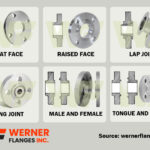
| Facing Type | Raised Face (RF), Flat Face (FF), Ring Type Joint (RTJ) |
| Size Range | ½” to 24” (DN 15 to DN 600) |
| Temperature Range | -29°C to +593°C (Depending on Material & Pressure Class) |
| Applications | Oil & Gas, Petrochemical, Power Generation, Water Treatment, Marine & Industrial Sectors |
| Manufacturing Process | Forged / Machined |
| Certification | EN 10204 3.1 / 3.2, IBR, NACE MR0175 / ISO 15156 (as applicable) |
Matel and Grade
| Type of Materials | Common Specifications / Customization Available on Request |
|---|---|
| Duplex Steel | ASTM/ASME A182 F51, F60, F61, UNS S31803, UNS S32205 |
| Super Duplex Steel | ASTM/ASME A182 F53, F55, UNS S32750, UNS S32760, F44 (6Mo) |
| Stainless Steel | ASTM/ASME A182 F304, F304L, F316, F316L, F310, F317L, F321, F347 |
| Carbon Steel | ASTM A105, A350 LF1, LF2, LF3, A266 Class 1/2, A694 F42 to F70, A765 Gr. II |
| Alloy Steel | ASTM/ASME A182 F1, F5, F9, F11, F12, F22 |
| Non-Ferrous Alloys | Titanium, Brass, Admiralty Brass, Copper Nickel, Nickel Alloys, Hastelloy |
| Titanium | ASTM/ASME B381 Gr.1, Gr.2, Gr.5, Gr.7, Gr.12, Gr.16 |
| Copper Nickel | ASTM B151 UNS C70600 (Cu-Ni 90/10), C71500 (Cu-Ni 70/30) |
| Brass, Al-Brass | ASTM B152 UNS C26000, C27200, C28000; ASTM B111 for Al-Brass |
| Nickel Alloys | ASTM B160, B161, B564 – UNS N02200, N02201, N04400, N08800, N08825, N06600, N06601, N06625, Monel K500 |
| Alloy 20 | ASTM B462 UNS N08020 |
| Hastelloy | ASTM B564 UNS N10276 (Hastelloy C276), N06022 (Hastelloy C22) |
| Cladded Materials | ASTM B898, B265, B424 or custom explosion/clad bonding using dissimilar metals |
| Titanium-Steel, Nickel-Steel, Titanium-Copper, Stainless Steel-Carbon Steel, Bimetallic/Trimetallic Combinations |
Types of Flanges
| Slip On Flanges | Raised Face Slip On Flanges | Flat Face Slip On Flanges | RTJ Slip On Flanges | Forged Slip On Flanges |
| Plate Slip On Flanges | Industrial Slip On Flanges | High Pressure Slip On Flanges | ASME B16.5 Slip On Flanges | ANSI Slip On Flanges |
Industries and Applications We Supply
| Industry | Applications |
|---|---|
Oil & Gas Industry |
Indonesia’s oil and gas sector is a cornerstone of the national economy, and Slip On Flanges play vital roles throughout upstream, midstream, and downstream operations. Upstream Production – Offshore Platforms: Indonesia’s offshore oil and gas production spans from shallow waters of the Java Sea to deep-water developments in the Natuna and Masela fields. Slip On Flanges in Class 300# to 900# are used extensively in: Production manifolds connecting multiple wells to central processing facilities on platforms like Pertamina EP’s platforms in the Madura Strait and ExxonMobil’s Cepu Block facilities. These flanges must withstand high pressures (up to 150 bar), corrosive produced fluids containing H₂S and CO₂, and the humid tropical marine environment. We supply F316L and Duplex F51 Slip On Flanges with raised face seating for reliable sealing with spiral wound gaskets. Wellhead connections and Christmas trees where Class 600# and 900# flanges in ASTM A105 or F22 alloy steel connect high-pressure production equipment. These flanges face cyclic pressure loading, temperature variations from 50-150°C, and must maintain integrity for 20-30 year field life. For sour gas wells in East Java and South Sumatra, we provide NACE MR0175 compliant materials resistant to sulfide stress cracking. Separation and processing equipment including three-phase separators, dehydration units, and stabilization columns where Class 150# to 600# Slip On Flanges connect vessel nozzles to piping systems. These applications typically use A105 carbon steel for sweet service or F316L stainless steel when handling corrosive condensates and formation water with high chloride content. Gas compression and injection systems for enhanced oil recovery and gas lift operations requiring Class 600# to 1500# flanges in F11 or F22 alloy steel to handle compressed gas at pressures exceeding 200 bar and temperatures up to 200°C. |
Power Generation
|
|
Petrochemical Processing |
|
|
|
Frequently Asked Questions (FAQs)
-
Q1: What is the difference between Slip On Flanges and Weld Neck Flanges?
-
Slip On Flanges slide over the pipe and are welded both inside and outside, while Weld Neck Flanges have a tapered hub that is butt-welded to the pipe. Weld Neck Flanges provide higher strength and fatigue resistance for high-pressure or high-temperature service. Slip On Flanges are more economical, easier to install, and suitable for moderate pressure applications commonly used in Indonesian water systems, utilities, and general industrial piping.
-
Q2: How long does delivery take to Indonesian ports?
-
Sea freight delivery from Indian manufacturing facilities to Indonesia typically requires:
- Jakarta (Tanjung Priok): 18–22 days
- Surabaya (Tanjung Perak): 20–24 days
- Balikpapan: 22–25 days
- Batam: 15–18 days via Singapore routing
- Remote project locations: 24–30 days depending on vessel schedules
Customs clearance normally requires an additional 3–5 days. Production lead time varies from a few days for common sizes to several weeks for special or large-diameter flanges.
-
Q3: Can Slip On Flanges be supplied with coatings suitable for Indonesia’s marine environment?
-
Yes. Indonesia’s humid tropical and coastal conditions require enhanced corrosion protection. Available coating options include hot-dip galvanizing, epoxy coating systems, fusion bonded epoxy (FBE), inorganic zinc primer, and temporary wax coatings for transport protection. For offshore installations, epoxy-coated carbon steel or corrosion-resistant stainless steel and duplex materials are commonly specified.
-
Q4: Do Slip On Flanges meet NACE MR0175 requirements for sour service?
-
Yes. For oil and gas applications involving hydrogen sulfide environments, flanges can be manufactured in compliance with NACE MR0175 / ISO 15156. This includes hardness-controlled carbon steel, compliant stainless steel grades, duplex alloys, and controlled heat treatment processes. Hardness testing and chemical verification are performed to ensure resistance to sulfide stress cracking.
-
Q5: Can large diameter Slip On Flanges be manufactured for Indonesian power and energy projects?
-
Yes. Large diameter Slip On Flanges up to 60 inches and above can be manufactured for applications such as cooling water systems, intake and discharge pipelines, flue gas ducts, and utility services used in Indonesian power plants and infrastructure facilities. Specialized forging, machining, and heat treatment processes ensure uniform mechanical properties across large sections.
-
Q6: What is the pressure-temperature rating of Class 300 Slip On Flanges?
-
Pressure ratings depend on material and operating temperature. For carbon steel ASTM A105 flanges, ratings decrease as temperature increases. At ambient conditions, Class 300 flanges are rated approximately 740 psig, with allowable pressure reducing progressively at elevated temperatures according to ASME B16.5 pressure-temperature tables. Correct rating selection should consider process temperature and operating conditions.
-
Q7: Is third-party inspection available for Indonesian industrial projects?
-
Yes. Third-party inspection can be arranged with internationally recognized agencies such as SGS, Bureau Veritas, TÜV, DNV, Lloyd’s Register, and Intertek. Inspectors may witness material verification, heat treatment, dimensional inspection, testing procedures, and final quality checks. Inspection certificates are issued together with standard manufacturing documentation.
-
Q8: What documentation is provided for Indonesian customs and project approval?
-
Shipments include complete technical and shipping documentation such as commercial invoice, packing list, certificate of origin, material test certificates, dimensional inspection reports, and transport documents. Documentation formats comply with common Indonesian import and industrial project requirements to support smooth clearance and acceptance.