Leading Manufacturer & Exporter of
Weld Neck Flanges to Bangladesh
Werner Flanges stands as Bangladesh's trusted partner for high-quality weld neck flanges, serving the nation's rapidly expanding industrial infrastructure for over two decades. As a premier exporter specializing in ASME B16.5 compliant weld neck flanges, we supply critical piping components to Bangladesh's thriving energy sector, manufacturing industries, and infrastructure development projects across Dhaka, Chittagong, Narayanganj, Khulna, and Sylhet.

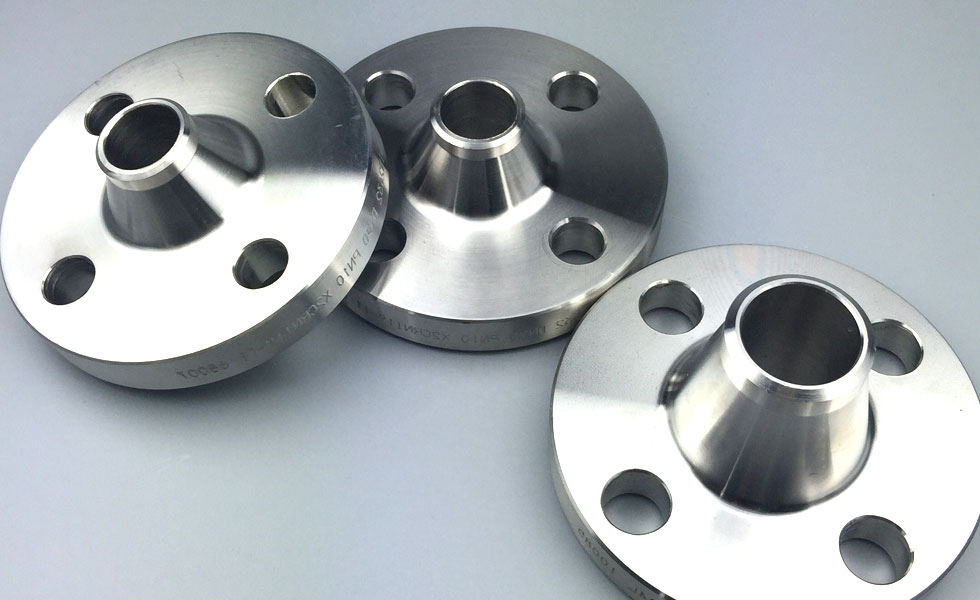
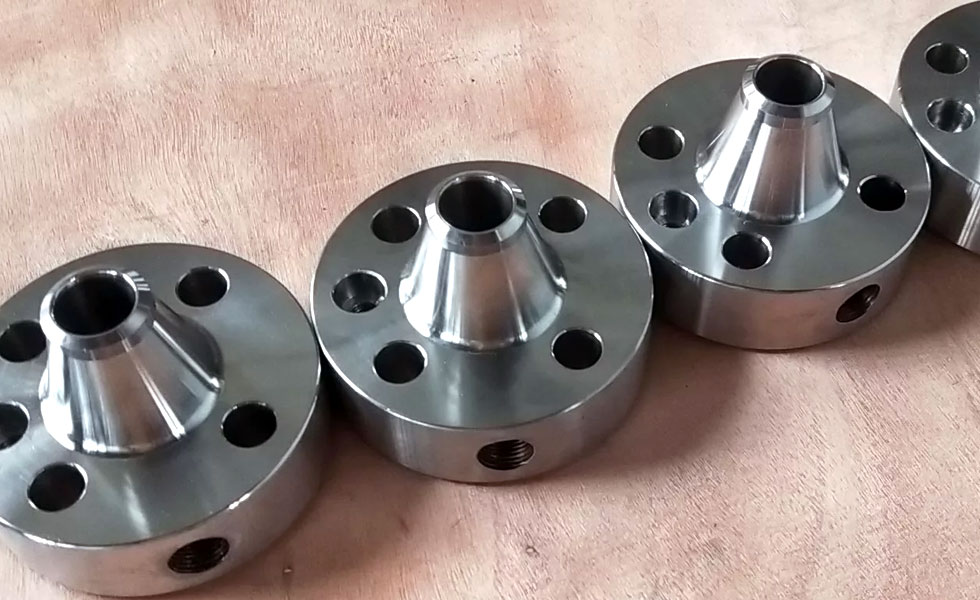
Our weld neck flanges meet the demanding requirements of Bangladesh’s growing LNG terminals, power generation facilities, petrochemical plants, and textile manufacturing units. We manufacture weld neck flanges in comprehensive size ranges from 1/2″ to 60″ diameter, across all pressure classes from 150# to 2500#, using premium materials including Carbon Steel (ASTM A105), Stainless Steel (304, 304L, 316, 316L), Alloy Steel (F11, F22, F91), and Duplex grades (F51, F53, F55). Every flange is manufactured under stringent quality controls with full material traceability and third-party inspection certification.
With Bangladesh’s ambitious industrial growth targets and increasing focus on energy security through LNG imports and power sector expansion, the demand for reliable, high-performance piping components has never been greater. Werner Flanges supports this growth by providing engineered weld neck flanges that deliver superior mechanical strength, leak-proof connections, and long-term reliability in high-pressure, high-temperature applications critical to Bangladesh’s industrial success.
Weld neck flanges represent the strongest and most reliable flange type for high-pressure, high-temperature piping applications. Distinguished by their long tapered hub that gradually transitions from the pipe wall thickness to the flange thickness, weld neck flanges provide exceptional structural integrity through optimal stress distribution. This unique design feature makes them the preferred choice for critical service applications in Bangladesh's energy and industrial sectors.
Specifications
| Specification | Details |
|---|---|
| Pressure Rating | Class 150 to Class 2500 |
| Flange Type | Plate Flange |
| Facing Type | Raised Face (RF), Flat Face (FF), Ring Type Joint (RTJ) |
| Size Range | ½” to 24” (DN 15 to DN 600) |
| Temperature Range | -29°C to +593°C (Depending on Material & Pressure Class) |
| Applications | Oil & Gas, Petrochemical, Power Generation, Water Treatment, Marine & Industrial Sectors |
| Manufacturing Process | Forged / Machined |
| Certification | EN 10204 3.1 / 3.2, IBR, NACE MR0175 / ISO 15156 (as applicable) |
Matel and Grade
| Type of Materials | Common Specifications / Customization Available on Request |
|---|---|
| Duplex Steel | ASTM/ASME A182 F51, F60, F61, UNS S31803, UNS S32205 |
| Super Duplex Steel | ASTM/ASME A182 F53, F55, UNS S32750, UNS S32760, F44 (6Mo) |
| Stainless Steel | ASTM/ASME A182 F304, F304L, F316, F316L, F310, F317L, F321, F347 |
| Carbon Steel | ASTM A105, A350 LF1, LF2, LF3, A266 Class 1/2, A694 F42 to F70, A765 Gr. II |
| Alloy Steel | ASTM/ASME A182 F1, F5, F9, F11, F12, F22 |
| Non-Ferrous Alloys | Titanium, Brass, Admiralty Brass, Copper Nickel, Nickel Alloys, Hastelloy |
| Titanium | ASTM/ASME B381 Gr.1, Gr.2, Gr.5, Gr.7, Gr.12, Gr.16 |
| Copper Nickel | ASTM B151 UNS C70600 (Cu-Ni 90/10), C71500 (Cu-Ni 70/30) |
| Brass, Al-Brass | ASTM B152 UNS C26000, C27200, C28000; ASTM B111 for Al-Brass |
| Nickel Alloys | ASTM B160, B161, B564 – UNS N02200, N02201, N04400, N08800, N08825, N06600, N06601, N06625, Monel K500 |
| Alloy 20 | ASTM B462 UNS N08020 |
| Hastelloy | ASTM B564 UNS N10276 (Hastelloy C276), N06022 (Hastelloy C22) |
| Cladded Materials | ASTM B898, B265, B424 or custom explosion/clad bonding using dissimilar metals |
| Titanium-Steel, Nickel-Steel, Titanium-Copper, Stainless Steel-Carbon Steel, Bimetallic/Trimetallic Combinations |
Types of Flanges
| Weld Neck Flanges | Raised Face Weld Neck Flanges | Flat Face Weld Neck Flanges | RTJ Weld Neck Flanges | Long Weld Neck Flanges |
| High Pressure Weld Neck Flanges | Forged Weld Neck Flanges | Reducing Weld Neck Flanges | Industrial Weld Neck Flanges | Custom Weld Neck Flanges |
Industries and Applications We Supply
| Industry | Applications |
|---|---|
Oil & Gas Industry |
Bangladesh’s natural gas sector, producing approximately 2,700 million cubic feet per day from fields operated by Petrobangla, BAPEX, and international oil companies, relies extensively on weld neck flanges for production, processing, and distribution infrastructure. The gas fields of Titas, Habiganj, Bakhrabad, Rashidpur, and Kailashtila require high-integrity flanges for wellhead connections, gathering systems, and gas processing facilities. Upstream Applications: Production platforms and onshore wellheads use weld neck flanges rated Class 600# to 2500# in sour gas service materials (NACE MR0175 compliant) to handle high-pressure wells producing H2S-containing natural gas. Christmas tree connections, flow lines, and manifolds require flanges that maintain integrity under cyclical pressure loading and potential thermal transients. Midstream Processing: Gas processing plants operated by Bakhrabad Gas Distribution Company, Titas Gas Transmission and Distribution Company, and Jalalabad Gas Transmission and Distribution Company employ extensive piping systems with weld neck flanges in amine treating units (acid gas removal), glycol dehydration systems, gas compression stations, and natural gas liquid (NGL) recovery facilities. Class 300# and 600# flanges in carbon steel and stainless steel handle sweet and treated gas services. Gas Transmission: The national gas transmission grid operated by GTCL (Gas Transmission Company Limited) transports natural gas from production areas to load centers through large-diameter high-pressure pipelines. Main transmission lines utilize 20″ to 36″ Class 300# and 600# weld neck flanges at compressor stations, block valve stations, off-take points, and cross-country pipeline sections. Flanges must withstand operating pressures up to 1,000 psi while maintaining leak-tight integrity for public safety. LNG Import Infrastructure: The floating storage and regasification units (FSRUs) at Maheshkhali (Moheshkhali) and future terminals at Matarbari represent Bangladesh’s response to declining domestic gas production. These facilities require specialized weld neck flanges for cryogenic LNG service (-162°C) in ASTM A350 LF2 and stainless steel materials. High-pressure regasified gas export lines employ Class 600# and 900# flanges rated for 1,000+ psi service delivering gas to the national grid at Anowara and Dohazari. |
Power Generation
|
|
Petrochemical & Chemical Processing |
|
|
|
Frequently Asked Questions (FAQs)
-
1. what delivery time can you offer for weld neck flanges to bangladesh?
- standard delivery for stock sizes is 18-22 days via sea freight to chittagong port or mongla port, including manufacturing time and ocean transit. for custom specifications or non-standard materials, manufacturing lead time extends to 4-6 weeks plus shipping time. expedited air freight delivery to dhaka is possible in 7-10 days for urgent requirements, though air freight is limited to smaller sizes due to weight constraints. we maintain inventory of common sizes in class 150# and 300# carbon steel to support fast-track projects.
-
2. do your weld neck flanges comply with nace mr0175 for sour gas service?
- yes, we manufacture weld neck flanges meeting nace mr0175/iso 15156 requirements for h2s-containing environments in oil and gas production. for sour service applications in bangladesh’s gas fields, we provide flanges in approved materials with controlled hardness, sulfide stress cracking testing where required, and complete documentation of nace compliance. material selection depends on h2s partial pressure, total pressure, temperature, and chloride content per nace methodology.
-
3. can you provide flanges with third-party inspection certification?
- yes, we welcome third-party inspection by all major international inspection agencies including tüv süd, tüv nord, dnv, lloyd’s register, bureau veritas (bv), sgs, and intertek. we also accommodate indian government inspection agencies such as rites and eil commonly specified for bangladesh projects. inspectors can witness manufacturing operations, verify testing procedures, review quality documentation, and issue independent certificates of conformance.
-
4. what material certifications do you provide with each shipment?
- every shipment includes comprehensive material test certificates (mtcs) per en 10204 3.1. these certificates document chemical composition, mechanical test results (tensile strength, yield strength, elongation, hardness), heat treatment details, and test specimen identification traceable to production heat numbers. additionally, we provide dimensional inspection reports, non-destructive test reports (ultrasonic, magnetic particle, or liquid penetrant), pmi test results confirming material grade, and any special testing performed. for third-party inspected orders, we provide tpi certificates from the designated inspection agency.
-
5. can you manufacture weld neck flanges to custom specifications?
- yes, our engineering and manufacturing capabilities support custom weld neck flanges beyond standard asme b16.5 dimensions. we manufacture special sizes, non-standard bore diameters, extended hub lengths, custom pressure ratings, exotic materials (inconel, monel, hastelloy, titanium), special facings, and corrosion-resistant overlay welding. our engineering team reviews customer specifications, performs necessary calculations, and provides manufacturing drawings for approval before production. custom manufacturing typically adds 2-4 weeks to standard delivery times depending on complexity.
-
6. how do you ensure flanges arrive in good condition after long sea freight to bangladesh?
- proper packaging is critical for safe ocean transport. weld neck flanges are individually wrapped in protective material, then packed in sturdy wooden crates with internal blocking and bracing to prevent movement during transit. raised faces are protected with plywood or cardboard covers. for carbon steel flanges, we apply rust preventive oil coating and include desiccant packets to absorb moisture. crates are marked with handling instructions, gross weight, and destination details. we utilize experienced freight forwarders who understand proper container loading and securing per imdg regulations. marine insurance is available to protect against loss or damage during transit.
-
7. what is your warranty policy for weld neck flanges?
- we warrant all products against defects in material and workmanship for 12 months from date of delivery or 18 months from date of shipment, whichever occurs first. the warranty covers manufacturing defects, material defects, dimensional non-conformance, and failure to meet specified material properties. warranty does not cover damage from improper storage, incorrect installation, operation beyond rated conditions, or normal wear and tear. valid warranty claims are addressed with replacement flanges or credit at our discretion and must be submitted within 30 days of discovery with supporting documentation including photos, failure analysis, and installation/operating conditions.