Leading Manufacturer & Exporter of
Slip On Flanges to Bangladesh
Werner Flanges is a trusted manufacturer and exporter of premium-quality slip on flanges to Bangladesh, serving the nation's growing industrial sector for over two decades. As Bangladesh continues its remarkable industrial transformation with expanding textile manufacturing, shipbuilding, power generation, and petrochemical facilities, the demand for reliable piping components has never been higher. We specialize in manufacturing ASME B16.5 slip on flanges in carbon steel, stainless steel, alloy steel, and duplex materials, delivering to major industrial hubs including Dhaka, Chittagong, Narayanganj, Sylhet, and Khulna.
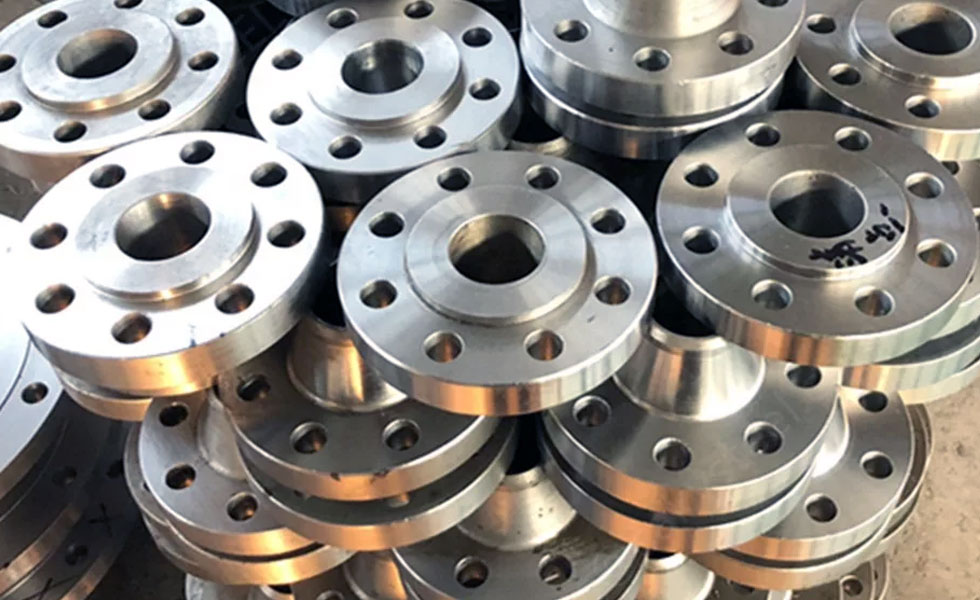
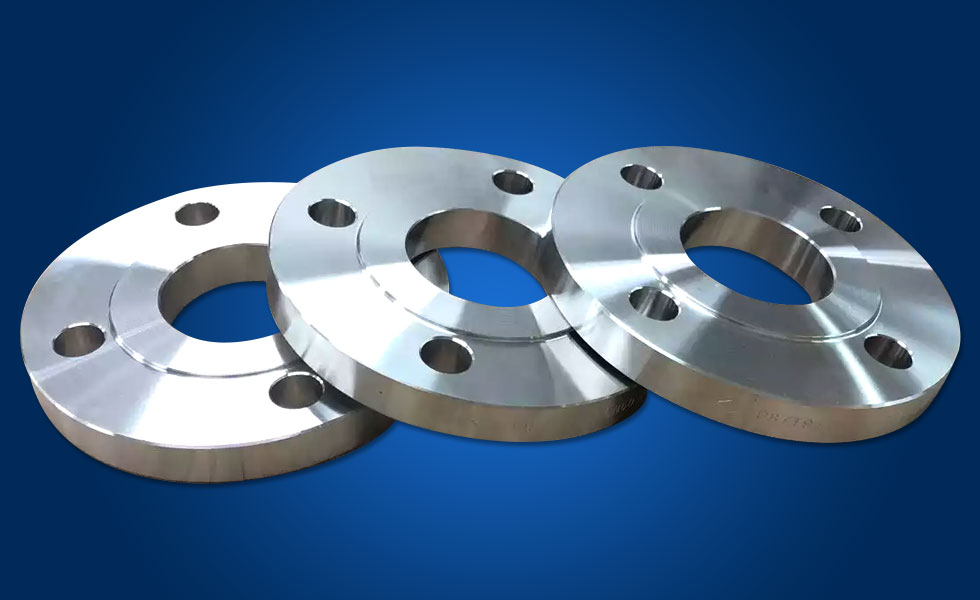
Our slip on flanges are engineered to meet the rigorous demands of Bangladesh’s diverse industries, from the massive garment and textile processing plants to the critical infrastructure projects under development across the country. With pressure classes ranging from 150# to 2500# and sizes from 1/2″ to 60″, we provide comprehensive solutions for pipeline applications in power plants, pharmaceutical facilities, fertilizer plants, and the expanding oil and gas sector. Every flange we manufacture undergoes stringent quality testing and comes with complete material traceability documentation, ensuring compliance with international standards including ASME, ASTM, API, and DIN specifications.
We understand the unique requirements of Bangladesh’s industrial landscape, where cost-effectiveness must be balanced with uncompromising quality and reliability. Our manufacturing facility in India enables us to offer competitive pricing without sacrificing the precision engineering and material integrity that critical applications demand. With established logistics partnerships and efficient shipping routes through Chittagong Port and Mongla Port, we deliver slip on flanges to Bangladesh within 18-25 days via sea freight, with expedited air freight options available for urgent requirements. Our dedicated technical support team provides comprehensive assistance in material selection, specification compliance, and application engineering to ensure optimal performance in your specific operating conditions.
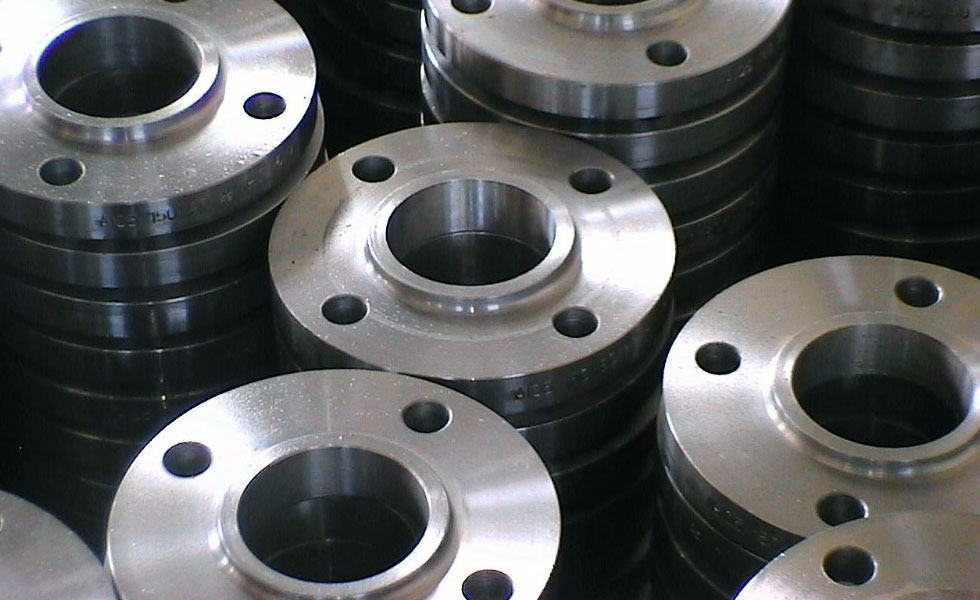
Slip on flanges (SO flanges) are one of the most widely used flange types in industrial piping systems, named for their installation method where the pipe literally slips into the flange bore before welding. Unlike weld neck flanges that require precise beveling and butt welding, slip on flanges feature a lower hub that slides over the pipe end, with fillet welds applied both inside and outside the flange to secure the connection. This design makes them significantly easier and faster to install, reducing labor costs and installation time—a crucial advantage for large-scale projects common in Bangladesh's industrial sector.
Specifications
| Specification | Details |
|---|---|
| Pressure Rating | Class 150 to Class 2500 |
| Flange Type | Plate Flange |
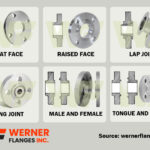
| Facing Type | Raised Face (RF), Flat Face (FF), Ring Type Joint (RTJ) |
| Size Range | ½” to 24” (DN 15 to DN 600) |
| Temperature Range | -29°C to +593°C (Depending on Material & Pressure Class) |
| Applications | Oil & Gas, Petrochemical, Power Generation, Water Treatment, Marine & Industrial Sectors |
| Manufacturing Process | Forged / Machined |
| Certification | EN 10204 3.1 / 3.2, IBR, NACE MR0175 / ISO 15156 (as applicable) |
Matel and Grade
| Type of Materials | Common Specifications / Customization Available on Request |
|---|---|
| Duplex Steel | ASTM/ASME A182 F51, F60, F61, UNS S31803, UNS S32205 |
| Super Duplex Steel | ASTM/ASME A182 F53, F55, UNS S32750, UNS S32760, F44 (6Mo) |
| Stainless Steel | ASTM/ASME A182 F304, F304L, F316, F316L, F310, F317L, F321, F347 |
| Carbon Steel | ASTM A105, A350 LF1, LF2, LF3, A266 Class 1/2, A694 F42 to F70, A765 Gr. II |
| Alloy Steel | ASTM/ASME A182 F1, F5, F9, F11, F12, F22 |
| Non-Ferrous Alloys | Titanium, Brass, Admiralty Brass, Copper Nickel, Nickel Alloys, Hastelloy |
| Titanium | ASTM/ASME B381 Gr.1, Gr.2, Gr.5, Gr.7, Gr.12, Gr.16 |
| Copper Nickel | ASTM B151 UNS C70600 (Cu-Ni 90/10), C71500 (Cu-Ni 70/30) |
| Brass, Al-Brass | ASTM B152 UNS C26000, C27200, C28000; ASTM B111 for Al-Brass |
| Nickel Alloys | ASTM B160, B161, B564 – UNS N02200, N02201, N04400, N08800, N08825, N06600, N06601, N06625, Monel K500 |
| Alloy 20 | ASTM B462 UNS N08020 |
| Hastelloy | ASTM B564 UNS N10276 (Hastelloy C276), N06022 (Hastelloy C22) |
| Cladded Materials | ASTM B898, B265, B424 or custom explosion/clad bonding using dissimilar metals |
| Titanium-Steel, Nickel-Steel, Titanium-Copper, Stainless Steel-Carbon Steel, Bimetallic/Trimetallic Combinations |
Types of Flanges
| Slip On Flanges | Raised Face Slip On Flanges | Flat Face Slip On Flanges | RTJ Slip On Flanges | Forged Slip On Flanges |
| Plate Slip On Flanges | Industrial Slip On Flanges | High Pressure Slip On Flanges | ASME B16.5 Slip On Flanges | ANSI Slip On Flanges |
Industries and Applications We Supply
| Industry | Applications |
|---|---|
Oil & Gas Industry |
Bangladesh’s hydrocarbon sector represents one of the most demanding environments for slip on flanges, with applications spanning natural gas production, transmission, processing, and distribution infrastructure throughout the country. The nation’s proven gas reserves of approximately 12-14 trillion cubic feet, concentrated in fields including Titas, Habiganj, Bakhrabad, Rashidpur, Kailashtila, and Bibiyana, require extensive pipeline networks connecting wellheads to processing facilities and ultimately to the national transmission grid. Upstream Production Applications: At wellhead installations across Bangladesh’s gas fields, slip on flanges in Class 600# and Class 900# pressure ratings handle high-pressure gas flows, connecting wellhead equipment, flow lines, and separation systems. These flanges typically specify carbon steel ASTM A105 material for moderate temperatures and pressures, with stainless steel F316/F316L utilized where condensate contains corrosive compounds including hydrogen sulfide or carbon dioxide. The sour gas conditions in some Bangladeshi fields necessitate NACE MR0175 compliance, requiring careful material selection and stress relief to prevent sulfide stress cracking. Midstream Transmission Infrastructure: Petrobangla’s extensive natural gas transmission network exceeding 3,600 kilometers of pipelines relies heavily on Class 300# and Class 600# slip on flanges at compressor stations, meter stations, block valve assemblies, and pipeline interconnections. These flanges must accommodate the cyclic pressure variations inherent in gas transmission, requiring robust construction and precise dimensional tolerances to maintain leak-tight integrity through thousands of pressure cycles over decades of service. The pipeline infrastructure serving Dhaka, Chittagong, and other major consumption centers utilizes millions of slip on flanges in sizes ranging from 4 inches to 36 inches. Gas Processing Facilities: The major gas processing complexes at Ashuganj, Bakhrabad, Elenga, and other locations employ slip on flanges throughout process systems including inlet separation, dehydration, compression, metering, and distribution. These facilities process approximately 2,700 MMCFD of natural gas, with process conditions ranging from moderate pressures in inlet systems to high pressures exceeding 1,000 PSI in compression and NGL recovery operations. Material selection varies from carbon steel for general service to stainless steel F316L for amine treating systems where corrosion resistance is essential. CNG Stations: Bangladesh’s extensive compressed natural gas vehicle fuel network, with over 800 CNG stations nationwide, utilizes Class 900# and Class 1500# slip on flanges in compression and storage systems handling pressures up to 3,600 PSI. These high-pressure applications demand meticulous flange selection, careful installation practices, and regular inspection to ensure public safety in these densely populated fueling facilities. The oil and gas sector’s stringent safety requirements, including API 6A specifications for wellhead equipment and ASME B31.3 for process piping, mandate comprehensive material testing, documentation, and quality assurance for all flanges. The consequence of failure in gas handling systems—including risk of fire, explosion, environmental release, and interruption of critical energy supply—justifies the investment in premium-quality components with full material traceability and third-party certification. |
Power Generation
|
|
Petrochemical & Chemical Processing |
|
|
|
Frequently Asked Questions (FAQs)
-
1. do your slip on flanges comply with bangladesh’s industrial standards?
- yes, our slip on flanges are manufactured to asme b16.5 specifications, which is the internationally recognized standard widely adopted throughout bangladesh’s industrial sector. bangladesh’s industries predominantly follow asme/astm standards for pressure equipment, and our flanges fully comply with these requirements. additionally, we can manufacture to din, bs, or local specifications if your project requires alternative standards. all flanges come with complete material test certificates and dimensional inspection reports verifying conformance.
-
2. what is the typical delivery time for slip on flanges to bangladesh?
- for standard configurations (common sizes in a105, f304l, or f316l materials), we maintain inventory enabling shipment within 5-7 working days from order confirmation. sea freight transit to chittagong port requires approximately 18-22 days, making total door-to-door delivery 23-29 days for standard items. for custom specifications or less common materials, manufacturing requires 3-4 weeks, with similar shipping timeframes. expedited air freight to dhaka is available for urgent requirements, delivering in 3-5 days.
-
3. can you manufacture slip on flanges in special materials for corrosive applications?
- absolutely. while we maintain inventory in standard materials (carbon steel a105, stainless steel f304l/f316l), we regularly manufacture slip on flanges in specialized corrosion-resistant materials including:
- duplex and super duplex (f51, f53, f55) for severe chloride environments
- high-nickel alloys (inconel, monel, hastelloy) for extreme corrosive conditions
- titanium for seawater and highly corrosive chemical service
- specialized alloy steels (f11, f22, f91) for high-temperature applications
- our technical team can recommend optimal material selection based on operating conditions—temperature, pressure, corrosive media composition, and service life requirements—ensuring long-term reliability and cost-effectiveness for bangladesh’s demanding industrial environments.
-
4. do you provide material test certificates and third-party inspection?
- yes, we provide comprehensive material test certificates (mtcs) with every shipment, documenting chemical composition, mechanical properties, heat treatment, and compliance with astm specifications. these certificates meet en 10204 type 3.1 requirements. we also offer third-party inspection by internationally recognized certification bodies including tüv rheinland, dnv gl, lloyd’s register, bureau veritas, sgs, and intertek. third-party inspectors can witness manufacturing operations, verify testing procedures, confirm dimensional conformance, and provide independent certification—particularly valuable for bangladesh’s power generation, oil and gas, and pharmaceutical industries requiring stringent quality assurance.
-
5. what pressure classes are available for slip on flanges?
- we manufacture slip on flanges in all six asme b16.5 standard pressure classes:
- class 150# – low to moderate pressure applications (general industrial, hvac, water systems)
- class 300# – moderate pressure industrial processes (chemical plants, petroleum)
- class 600# – high-pressure applications (power plants, gas processing)
- class 900# – very high-pressure specialized applications
- class 1500# – extremely high-pressure systems (injection, high-pressure gas)
- class 2500# – maximum standard pressure rating for critical applications
- our technical team can assist in determining the appropriate pressure class for your specific operating conditions, considering operating pressure, temperature, safety factors, and applicable codes.
-
6. can you supply flanges for high-temperature applications in power plants?
- yes, we specialize in manufacturing high-temperature alloy steel flanges specifically designed for power generation applications. for bangladesh’s expanding power sector, including the matarabari ultra super critical plant and other thermal facilities, we supply:
- astm a182 f11 (1.25cr-0.5mo) for temperatures up to 595°c
- astm a182 f22 (2.25cr-1mo) for temperatures up to 650°c
- astm a182 f91 (9cr-1mo-v) for supercritical applications up to 650°c
- these materials provide the creep strength and oxidation resistance essential for long-term reliability in high-temperature steam systems. complete material testing, heat treatment verification, and dimensional inspection ensure these critical components meet the demanding requirements of modern power generation.
-
7. do you provide technical support for material selection and application engineering?
- yes, comprehensive technical support is included with every inquiry and order. our engineering team provides:
- material selection guidance based on operating conditions (temperature, pressure, corrosive media)
- pressure class determination considering safety factors and code requirements
- standards interpretation clarifying asme, astm, api, and other specifications
- corrosion resistance evaluation for bangladesh’s specific industrial environments
- installation recommendations for optimal performance and leak prevention
- problem-solving assistance when field issues arise
- this support ensures optimal component selection and reliable long-term performance in bangladesh’s industrial applications.