Leading Manufacturer & Exporter of
ANSI B16.5 Flanges to Bangladesh
Werner Flanges stands as Bangladesh's most trusted supplier of ANSI B16.5 flanges, serving the nation's rapidly expanding industrial infrastructure for over two decades. As a direct manufacturer and exporter based in India, we supply comprehensive flange solutions to Bangladesh's power generation, textile, pharmaceutical, construction, and emerging oil & gas sectors. Our ANSI B16.5 certified flanges meet the demanding requirements of projects across Dhaka, Chittagong, Khulna, Rajshahi, Sylhet, and Barisal, supporting Bangladesh's journey toward becoming a middle-income economy by 2031.
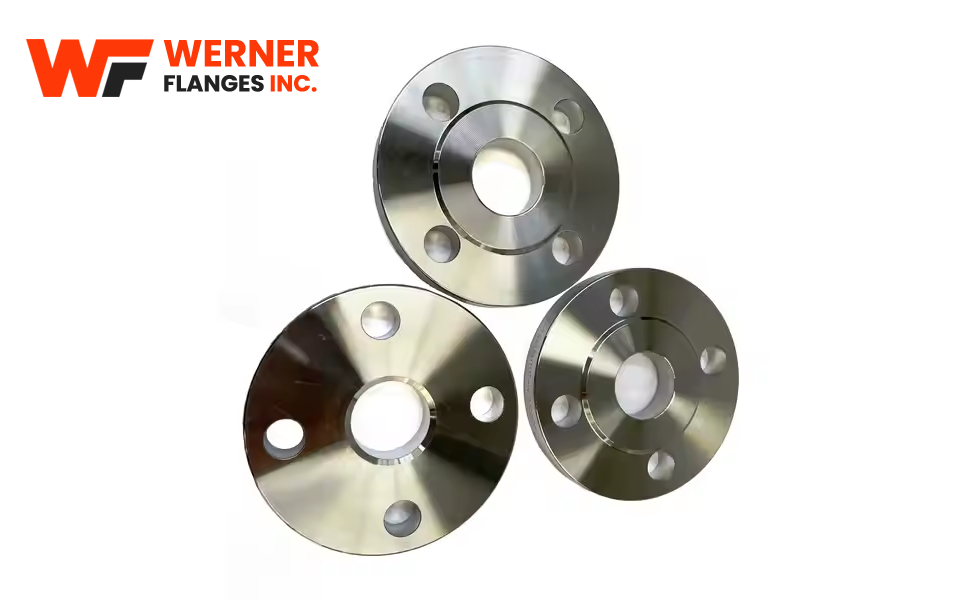
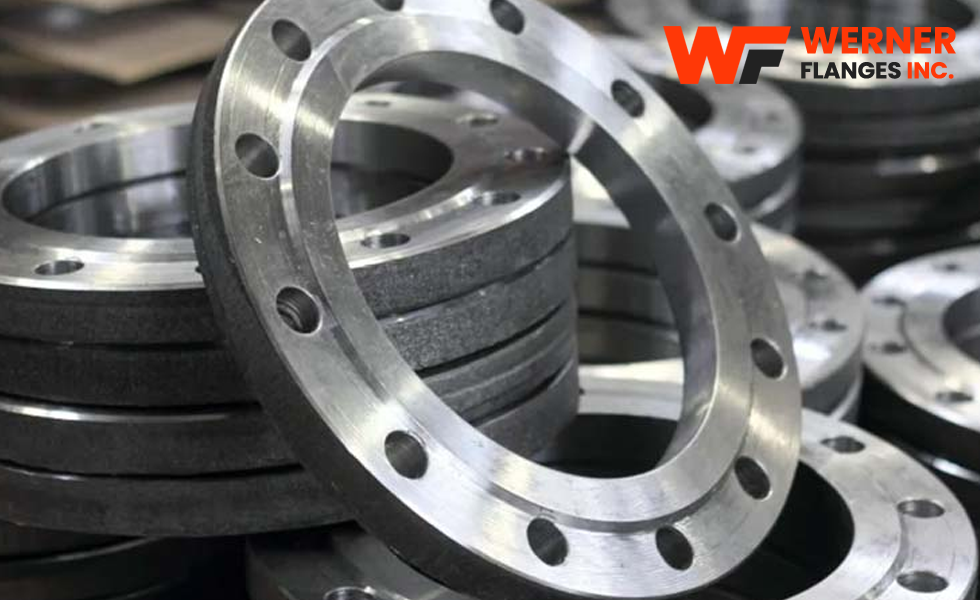
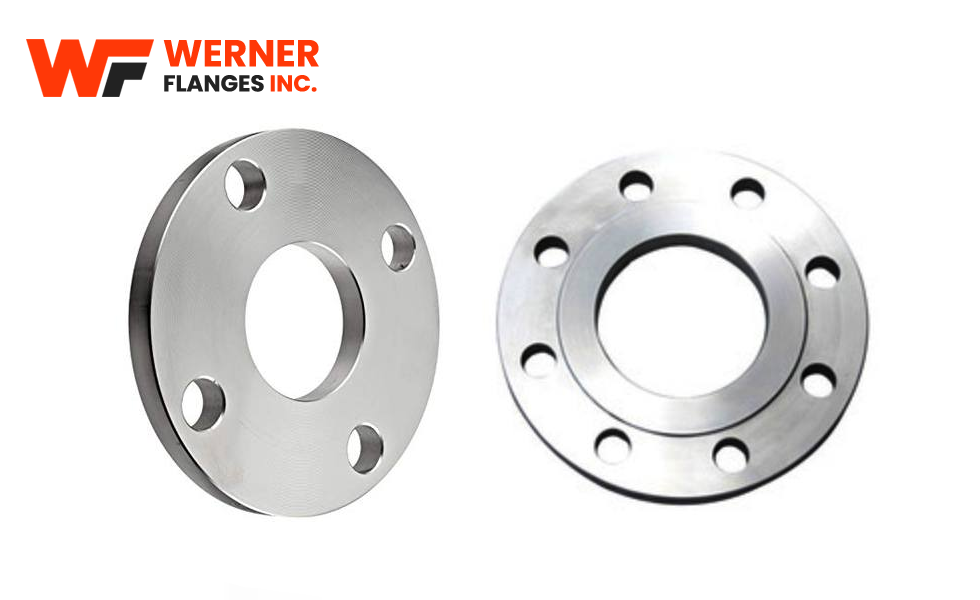
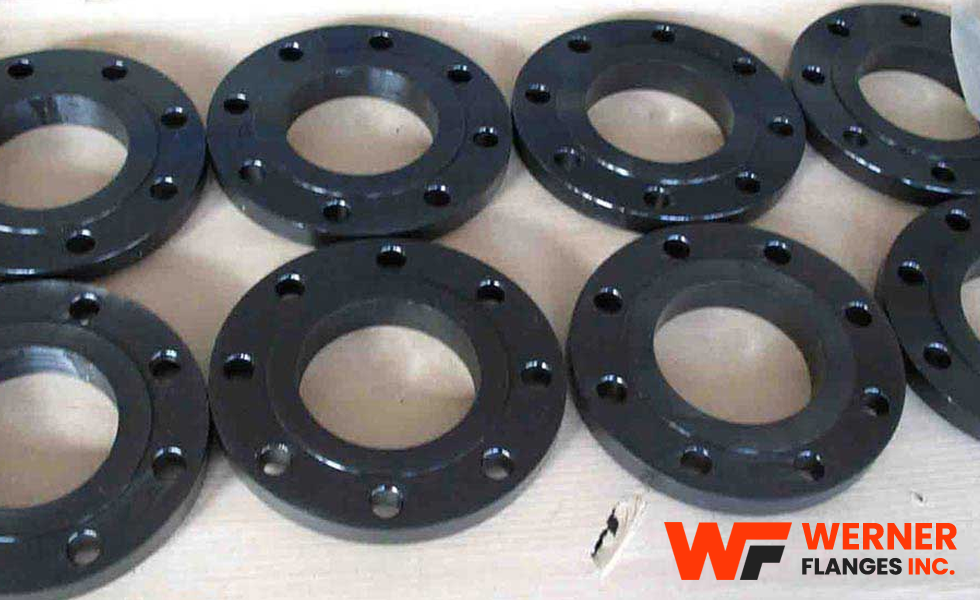
ANSI B16.5 represents the American National Standards Institute’s specification for pipe flanges and flanged fittings, covering pressure classes from 150# to 2500# in sizes ranging from ½” to 24″. This standard has become the global benchmark for flange manufacturing, ensuring dimensional compatibility, pressure-temperature ratings, and material specifications that guarantee safe, reliable piping system performance. For Bangladesh’s diverse industrial landscape—from the garment manufacturing zones of Gazipur to the Payra Port development projects—ANSI B16.5 flanges provide the standardized connection solutions essential for modern industrial operations.
Our manufacturing facility produces all seven types of ANSI B16.5 flanges: Weld Neck, Slip On, Blind, Socket Weld, Threaded, Lap Joint, and Reducing flanges. Each flange type serves specific applications in Bangladesh’s industrial sectors, from the high-pressure steam systems in Ashuganj Power Station to the chemical processing equipment in Bangladesh’s growing pharmaceutical industry. We maintain extensive inventory in carbon steel, stainless steel, alloy steel, and duplex materials, ensuring rapid delivery to meet your project timelines whether you’re constructing new facilities or maintaining existing infrastructure.
With direct shipping routes from Mumbai and Chennai ports to Chittagong and Mongla ports, Werner Flanges delivers ANSI B16.5 flanges to Bangladesh within 18-22 days via sea freight, with expedited air freight options available for urgent requirements. Our technical team understands the specific challenges of Bangladesh's industrial environment—from the high humidity levels affecting material selection to the need for corrosion-resistant solutions in coastal areas—and provides expert guidance for optimal flange specification.
Specifications
| Specification | Details |
|---|---|
| Pressure Rating | Class 150 to Class 2500 |
| Flange Type | Plate Flange |
| Facing Type | Raised Face (RF), Flat Face (FF), Ring Type Joint (RTJ) |
| Size Range | ½” to 24” (DN 15 to DN 600) |
| Temperature Range | -29°C to +593°C (Depending on Material & Pressure Class) |
| Applications | Oil & Gas, Petrochemical, Power Generation, Water Treatment, Marine & Industrial Sectors |
| Manufacturing Process | Forged / Machined |
| Certification | EN 10204 3.1 / 3.2, IBR, NACE MR0175 / ISO 15156 (as applicable) |
Matel and Grade
| Type of Materials | Common Specifications / Customization Available on Request |
|---|---|
| Duplex Steel | ASTM/ASME A182 F51, F60, F61, UNS S31803, UNS S32205 |
| Super Duplex Steel | ASTM/ASME A182 F53, F55, UNS S32750, UNS S32760, F44 (6Mo) |
| Stainless Steel | ASTM/ASME A182 F304, F304L, F316, F316L, F310, F317L, F321, F347 |
| Carbon Steel | ASTM A105, A350 LF1, LF2, LF3, A266 Class 1/2, A694 F42 to F70, A765 Gr. II |
| Alloy Steel | ASTM/ASME A182 F1, F5, F9, F11, F12, F22 |
| Non-Ferrous Alloys | Titanium, Brass, Admiralty Brass, Copper Nickel, Nickel Alloys, Hastelloy |
| Titanium | ASTM/ASME B381 Gr.1, Gr.2, Gr.5, Gr.7, Gr.12, Gr.16 |
| Copper Nickel | ASTM B151 UNS C70600 (Cu-Ni 90/10), C71500 (Cu-Ni 70/30) |
| Brass, Al-Brass | ASTM B152 UNS C26000, C27200, C28000; ASTM B111 for Al-Brass |
| Nickel Alloys | ASTM B160, B161, B564 – UNS N02200, N02201, N04400, N08800, N08825, N06600, N06601, N06625, Monel K500 |
| Alloy 20 | ASTM B462 UNS N08020 |
| Hastelloy | ASTM B564 UNS N10276 (Hastelloy C276), N06022 (Hastelloy C22) |
| Cladded Materials | ASTM B898, B265, B424 or custom explosion/clad bonding using dissimilar metals |
| Titanium-Steel, Nickel-Steel, Titanium-Copper, Stainless Steel-Carbon Steel, Bimetallic/Trimetallic Combinations |
Types of Flanges
| Slip On Flanges | Weld Neck Flanges | Blind Flanges | Socket Weld Flanges | Threaded Flanges |
| Lap Joint Flanges | Reducing Flanges | Orifice Flanges | Long Weld Neck Flanges | Spectacle Blind Flanges |
Industries and Applications We Supply
| Industry | Applications |
|---|---|
Oil & Gas Industry |
Bangladesh’s emerging oil and gas sector, centered around Petrobangla operations and offshore exploration in the Bay of Bengal, represents a growing market for high-specification ANSI B16.5 flanges. The Bibiyana Gas Field—Bangladesh’s largest, producing approximately 1,200 million cubic feet per day—utilizes extensive flange installations in wellhead connections, gas gathering pipelines, and processing facilities. Upstream Applications: Wellhead connections and Christmas tree assemblies employ Class 600# or 900# Weld Neck flanges in materials selected for sour gas service resistance if H2S is present. Gathering lines collecting gas from multiple wells specify Class 300# or 600# depending on flowing pressure, typically using carbon steel A105 for sweet gas service or upgrading to F316L or duplex materials for corrosive conditions. Gas treatment facilities removing water, condensate, and CO2 use stainless steel flanges for corrosion resistance in amine treating systems and glycol dehydration units. Midstream Applications: Gas compression stations boosting pressure for long-distance pipeline transport install Class 600# or 900# Weld Neck flanges rated for compressor discharge pressures potentially exceeding 1,000 psi. Intercoolers and aftercoolers in compression trains use carbon steel flanges with appropriate gasket selections for temperature cycling as hot compressed gas is cooled before subsequent compression stages or pipeline injection. Downstream Applications: The Eastern Refinery Limited in Chittagong processes approximately 45,000 barrels per day of crude oil into petroleum products. Refinery piping systems utilize ANSI B16.5 flanges throughout crude distillation, vacuum distillation, catalytic cracking, and product blending operations. Material selection varies by service: carbon steel A105 for ambient temperature hydrocarbons, F304L for light products, F316L for sour or corrosive services, F22 alloy steel for high-temperature applications above 800°F. |
Power Generation |
|
Petrochemical Processing |
|
|
|
Frequently Asked Questions (FAQs)
-
1. Do your ANSI B16.5 flanges comply with international standards for use in Bangladesh projects?
- Yes, our ANSI B16.5 flanges fully comply with ASME B16.5 dimensional and material specifications, which are internationally recognized standards accepted in Bangladesh. We manufacture to ASTM material specifications (A105, A182, A350, etc.), meeting chemical composition, mechanical properties, and heat treatment requirements. Our ISO 9001:2015 certified quality management system and third-party approvals from agencies like Lloyd’s Register, Bureau Veritas, and TÜV provide additional assurance of consistent quality.
- For projects requiring NACE compliance for sour service or PED certification for European export, we provide appropriate certifications with full documentation. Specific local standards or certification requirements can be accommodated upon request.
-
2. What is the typical delivery time for ANSI B16.5 flanges to Bangladesh?
-
Standard delivery timelines depend on material availability and shipping method:
- Standard specifications (A105, F304L, F316L in common sizes): 5–6 weeks from order confirmation (2–3 weeks manufacturing and testing, 14–16 days sea freight to Chittagong/Mongla, 3–5 days customs and inland delivery)
- Special materials or non-standard sizes: 7–9 weeks (4–6 weeks manufacturing and testing plus shipping)
- Expedited air freight: 5–7 days from dispatch for urgent requirements at higher cost
-
3. Can you manufacture custom flanges or non-standard specifications for Bangladesh projects?
-
Yes, we offer custom manufacturing beyond standard ANSI B16.5 specifications. Common requests include:
- Modified dimensions: Non-standard bore sizes, special hub lengths, oversized outside diameters, or custom thicknesses
- Special drillings: Custom bolt hole patterns or additional connections for instrumentation
- Exotic materials: Nickel alloys, titanium, duplex grades, or overlay cladding for corrosion resistance
- Enhanced testing: Additional NDT, pressure, or qualification testing
- Special finishes: Electropolishing, coatings, or cladding for corrosive service
Custom manufacturing typically adds 2–4 weeks to standard delivery depending on complexity.
-
4. What quality documentation do you provide with flange shipments to Bangladesh?
-
We provide comprehensive documentation supporting quality assurance, customs clearance, and project management:
- Material documentation: EN 10204 3.1 MTC, chemical composition, mechanical test results, heat treatment records
- Manufacturing documentation: Dimensional inspection reports, hardness testing, PMI certificates, NDT reports (MPI, LPI, UT, RT), visual inspections
- Quality certifications: Manufacturer’s certificate of compliance, third-party inspection certificates, NACE compliance certificates (if applicable), PED declarations (if applicable)
- Commercial documents: Invoice, packing list, certificate of origin, bill of lading/airway bill, insurance certificate (if arranged)
All documentation is provided in English, with electronic copies available for easy filing and reference.
-
5. How do you ensure material quality and prevent counterfeit materials?
-
Material quality assurance includes:
- Supplier qualification: ISO-certified steel mills, approved supplier list, full material traceability
- Incoming inspection: Visual verification, PMI testing, dimensional checks, mill certificate review
- In-process control: Heat number tracking, regular PMI checks during machining, hardness verification
- Final verification: Dimensional inspection, final PMI, hardness testing, visual inspection
- Documentation control: Complete traceability from mill through shipment, secure storage of records for minimum 10 years
-
6. Can your flanges withstand Bangladesh’s humid climate and monsoon conditions?
-
Yes, flanges are manufactured to withstand Bangladesh’s tropical climate with high humidity and heavy monsoon rains.
- Carbon steel flanges: Hot-dip galvanizing, FBE coating for buried applications, shop-applied primer, anti-rust oil or VCI packaging
- Stainless steel flanges: Passivation treatment, 316L for coastal installations, avoid carbon steel contamination
- Storage recommendations: Keep in original packaging, store in covered and ventilated areas, elevate off ground, inspect periodically
-
7. Do you provide technical support for flange selection and sizing for Bangladesh projects?
-
Yes, our engineering team provides technical support including:
- Material selection: Recommend suitable materials for fluid type, temperature, pressure, and environment
- Pressure class selection: Verify and advise on correct pressure classes and ratings
- Flange type selection: Advise on optimal type (WN, SO, Blind, etc.) considering performance and cost
- Standards interpretation: Clarify ANSI B16.5 requirements, pressure-temperature ratings, and dimensional tolerances
- Installation guidance: Torque recommendations, gasket selection, welding procedures
- Problem solving: Troubleshoot leakage, recommend corrective actions, support failure analysis