Leading Manufacturer & Exporter of
Slip-On Flanges to Thailand
Werner Flanges is a trusted slip-on flange manufacturer and exporter serving the Thai petrochemical, oil & gas, power generation, and industrial sectors. With decades of global flange manufacturing expertise and ISO 9001:2015 certification, we deliver precision-engineered slip-on flanges that meet ASME B16.5, ASTM, and international standards. Our direct manufacturing capability ensures competitive pricing, fast delivery to Bangkok, Rayong, and other Thai industrial hubs, and complete customization for your specific application requirements. Whether you need carbon steel, stainless steel, alloy steel, or duplex slip-on flanges, we maintain comprehensive inventory and manufacturing capacity to support Thailand's growing energy, chemical processing, and infrastructure sectors. From 1/2" to 60" diameters and pressure classes 150# through 2500#, our slip-on flanges are engineered for reliability and built to last.
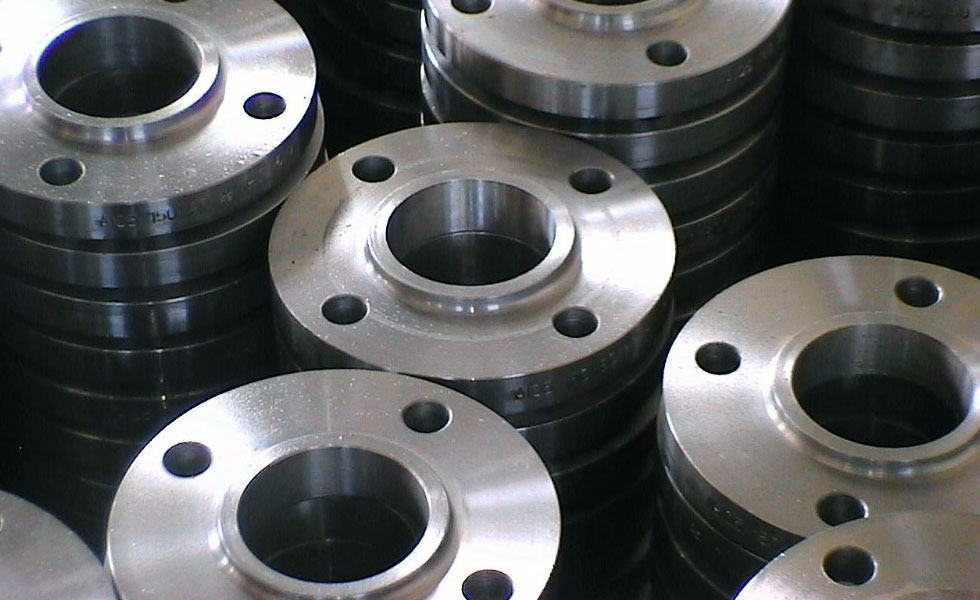
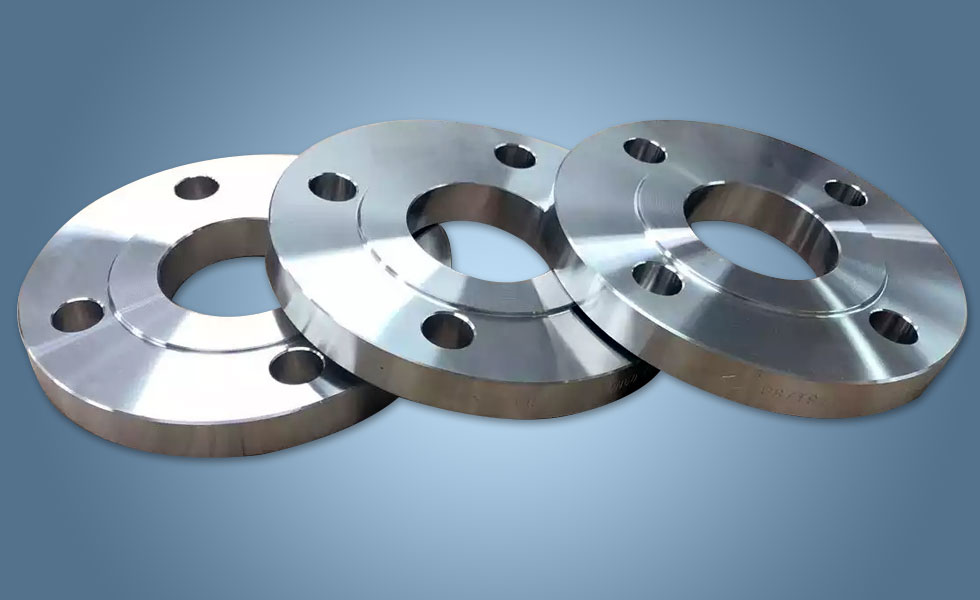
At Werner Flanges, quality and compliance are our top priorities. Each slip-on flange undergoes rigorous inspection and testing, including dimensional checks, material certification verification, and hydrostatic pressure testing, ensuring flawless performance in demanding Thai industrial environments. Our team works closely with engineers, contractors, and procurement specialists to provide expert guidance on flange selection, material suitability, and pressure class requirements, guaranteeing the right solution for every application.
We also offer tailor-made solutions for specialized projects, including high-temperature, corrosion-resistant, and heavy-duty slip-on flanges. Our modern manufacturing facilities and advanced machining capabilities allow us to produce custom flange designs efficiently, while adhering to international standards and client specifications. Whether for petrochemical plants in Rayong or power generation facilities in Bangkok, Werner Flanges delivers durable, high-performance slip-on flanges that optimize operational efficiency and minimize maintenance costs.
Our commitment to fast delivery and local support makes Werner Flanges a preferred partner for Thailand’s energy and industrial sectors. With strategically located warehouses and distribution networks in Bangkok, Rayong, and Laem Chabang, we ensure timely supply of slip-on flanges to meet urgent project deadlines. Combined with our technical support and after-sales service, we help clients minimize downtime, reduce inventory costs, and maintain uninterrupted operations across oil & gas, petrochemical, power generation, and infrastructure projects.
Thailand Slip-On Flanges | Bangkok, Rayong & Laem Chabang Supply | Fast Delivery & Local Support | Oil & Gas, Power & Infrastructure Projects
Specifications
| Specification | Details |
|---|---|
| Pressure Rating | Class 150 to Class 2500 |
| Flange Type | Plate Flange |
| Facing Type | Raised Face (RF), Flat Face (FF), Ring Type Joint (RTJ) |
| Size Range | ½” to 24” (DN 15 to DN 600) |
| Temperature Range | -29°C to +593°C (Depending on Material & Pressure Class) |
| Applications | Oil & Gas, Petrochemical, Power Generation, Water Treatment, Marine & Industrial Sectors |
| Manufacturing Process | Forged / Machined |
| Certification | EN 10204 3.1 / 3.2, IBR, NACE MR0175 / ISO 15156 (as applicable) |
Matel and Grade
| Type of Materials | Common Specifications / Customization Available on Request |
|---|---|
| Duplex Steel | ASTM/ASME A182 F51, F60, F61, UNS S31803, UNS S32205 |
| Super Duplex Steel | ASTM/ASME A182 F53, F55, UNS S32750, UNS S32760, F44 (6Mo) |
| Stainless Steel | ASTM/ASME A182 F304, F304L, F316, F316L, F310, F317L, F321, F347 |
| Carbon Steel | ASTM A105, A350 LF1, LF2, LF3, A266 Class 1/2, A694 F42 to F70, A765 Gr. II |
| Alloy Steel | ASTM/ASME A182 F1, F5, F9, F11, F12, F22 |
| Non-Ferrous Alloys | Titanium, Brass, Admiralty Brass, Copper Nickel, Nickel Alloys, Hastelloy |
| Titanium | ASTM/ASME B381 Gr.1, Gr.2, Gr.5, Gr.7, Gr.12, Gr.16 |
| Copper Nickel | ASTM B151 UNS C70600 (Cu-Ni 90/10), C71500 (Cu-Ni 70/30) |
| Brass, Al-Brass | ASTM B152 UNS C26000, C27200, C28000; ASTM B111 for Al-Brass |
| Nickel Alloys | ASTM B160, B161, B564 – UNS N02200, N02201, N04400, N08800, N08825, N06600, N06601, N06625, Monel K500 |
| Alloy 20 | ASTM B462 UNS N08020 |
| Hastelloy | ASTM B564 UNS N10276 (Hastelloy C276), N06022 (Hastelloy C22) |
| Cladded Materials | ASTM B898, B265, B424 or custom explosion/clad bonding using dissimilar metals |
| Titanium-Steel, Nickel-Steel, Titanium-Copper, Stainless Steel-Carbon Steel, Bimetallic/Trimetallic Combinations |
Types of Flanges
| Slip On Flanges | Raised Face Slip On Flanges | Flat Face Slip On Flanges | RTJ Slip On Flanges | Forged Slip On Flanges |
| Plate Slip On Flanges | Industrial Slip On Flanges | High Pressure Slip On Flanges | ASME B16.5 Slip On Flanges | ANSI Slip On Flanges |
Industries and Applications We Supply
| Industry | Applications |
|---|---|
Oil & Gas Industry |
Thailand’s oil and gas operations span upstream exploration and production, midstream transportation and processing, and downstream refining and distribution. Slip-on flanges serve critical roles throughout this value chain.
Upstream Operations: Onshore petroleum exploration and production facilities in Thailand employ slip-on flanges on produced water handling systems, crude oil processing, and natural gas compression. Wellhead equipment, separation vessels, and initial treatment facilities use slip-on flanges for non-critical connections where ease of assembly is valued over maximum strength. Most upstream applications use carbon steel A105 at 150-300# pressure ratings, though subsurface corrosion can necessitate duplex or super-duplex materials. Midstream Transportation and Processing: Natural gas from upstream operations flows through transmission pipelines to processing facilities. Slip-on flanges connect pipeline sections, diverter assemblies, and compression equipment. The low pressure of transmission pipelines (typically 400-800 psi) allows use of carbon steel 300-600# flanges. However, high-reliability service on critical connections sometimes specifies alloy steel or stainless materials for enhanced reliability. The strategic nature of midstream infrastructure demands materials and workmanship exceeding typical industrial standards. Downstream Refining: Thailand’s oil refineries in Rayong, Khanh Hoa (Vietnam), and other locations employ slip-on flanges extensively in crude distillation units, reformers, hydrocrackers, and auxiliary systems. Refinery slip-on flanges must withstand hydrogen service in hydrotreating units (requiring NACE MR0175 certification), caustic alkali service in treating units, and corrosive sour-crude processing. The elevated temperatures and pressures of refinery service demand carbon steel for general service, stainless steel for corrosive environments, and alloy steel for hydrogen service. The diverse service environments in refining mean a single refinery may require carbon steel, stainless steel, alloy steel, and duplex flanges simultaneously to serve different process units optimally. Offshore Operations: Thailand’s offshore oil and gas platforms in the Gulf of Thailand employ slip-on flanges on subsea piping, platform piping, and equipment connections. Seawater exposure mandates stainless steel (316) or duplex materials (F51/F53) to prevent catastrophic corrosion. The high-pressure service of subsea equipment and high-reliability requirements of offshore operations drive specification of premium materials and third-party inspection. |
Power Generation
|
|
Petrochemical Processing |
|
|
|
Frequently Asked Questions (FAQs)
- Q: What’s the difference between slip-on flanges and weld-neck flanges?
- slip-on flanges have a bore larger than the pipe diameter, allowing the pipe to slide through. weld-neck flanges have a bore matching the pipe’s internal diameter with a conical neck that aligns with the pipe end. slip-on flanges are easier to install and lower cost; weld-neck flanges are stronger and better for high-pressure service. general industrial applications often use slip-on; critical high-pressure service specifies weld-neck.
- Q: Which material should i specify for coastal thai facilities exposed to salt spray?
- stainless steel (304 or 316) or duplex stainless steel are recommended for saltwater-exposed equipment. 316 provides superior pitting resistance vs 304. duplex materials (f51, f53, f55) offer even greater corrosion resistance if budget allows. carbon steel will corrode rapidly without coatings, making stainless essential for low-maintenance coastal service.
- Q: What delivery time should i expect from werner flanges to my facility in rayong?
- standard sea freight to rayong port takes 18-25 days. inland transport adds 1-3 days. total delivery is usually 20-28 days from order. expedited air freight to bangkok (4-7 days) plus trucking to rayong (1-2 days) totals 6-9 days for urgent needs.
- Q: Are your flanges acceptable for NACE MR0175 hydrogen service?
- yes, alloy steel flanges (f11, f22, f91) are certified per nace mr0175 for hydrogen service. carbon steel and stainless steel flanges are not nace-certified and cannot be used in hydrogen environments. specify nace-certified alloy steel for petrochemical hydroprocessing hydrogen service.
- Q: Can you manufacture custom flange sizes not in the ASME B16.5 standard?
- yes, non-standard custom flanges can be manufactured to customer specifications. custom flanges require detailed engineering drawings, longer lead times (30-45 days), and minimum order quantities based on complexity. contact us with your requirements for evaluation and quotation.
- Q: What’s the difference between raised face (RF), flat face (FF), and ring type joint (RTJ) flanges?
- raised face (rf) has a raised section concentrating gasket pressure and is most common. flat face (ff) is completely flat, used for low-pressure applications with soft gaskets. ring type joint (rtj) has a groove for a metal ring gasket in high-pressure/high-temperature service. most thai industrial applications use rf; offshore and critical service use rtj.
- Q: Can I mix materials in a single order (e.g., some carbon steel, some stainless, some alloy steel)?
- yes, mixed-material orders are supported. flanges are tailored to each application’s requirements. mixed orders are common in petrochemical plants where different streams require different materials. specify materials for each size in your purchase order.